Pain management Honolulu is more than a medical service—it’s a lifeline for people suffering from persistent, disruptive discomfort that won’t go away. Chronic pain is a problem affecting millions, keeping people from enjoying daily life, work, and precious time with family. Maybe you’ve tried self-care, home remedies, or even visited an urgent care clinic, but the pain keeps returning, impacting sleep, mood, and mobility. The search for answers can be frustrating and lonely, especially when pain lingers after injuries, surgery, or medical treatments. The good news? There are proven solutions right here in Honolulu. With access to a pain management doctor or pain management physician, residents and visitors can discover comprehensive care designed to restore comfort and quality of life.
Defining Chronic Pain and Its Effects on Daily Life
What Makes Pain “Chronic”?
Chronic pain is defined as any pain lasting longer than three months, often persisting well beyond the expected period of healing. Unlike acute pain—which acts as your body’s immediate alarm system after an injury or illness—chronic pain lingers, sometimes with no clear cause. Common examples include back pain, neck pain, joint pain, migraines, and nerve pain conditions. People experiencing this kind of pain often describe it as burning, stabbing, dull, or aching, and it may be constant or come and go unpredictably.
How Chronic Pain Disrupts Your Life
Chronic pain goes far beyond physical discomfort. It can interfere with your ability to work, participate in hobbies, or enjoy social events. Many people report difficulty sleeping, increased stress, anxiety, or depression. These emotional effects can even make pain feel worse. That’s why prompt and thorough evaluation at a walk in clinic or urgent care doctor’s office is so important—especially when you don’t have time to wait for a specialist.
Exploring the Causes of Chronic Pain in Honolulu
Common Conditions That Lead to Ongoing Pain
- Injuries: Sports, workplace accidents, car accidents, and falls can all result in chronic pain.
- Medical Conditions: Arthritis, fibromyalgia, neuropathy, and migraines are major contributors.
- Surgery and Recovery: Sometimes, pain persists long after an operation or invasive procedure.
- Unknown Causes: Occasionally, chronic pain develops with no clear origin, adding to patient frustration.
Why Local Factors Matter
Honolulu residents may face unique factors contributing to chronic pain, including outdoor activity injuries, repetitive strain from hospitality and tourism work, and even weather changes affecting conditions like arthritis. Access to a reliable pain control clinic or urgent care center is critical for accurate diagnosis and management.
Who Should See a Pain Management Doctor in Honolulu?
Signs It’s Time to Seek Help
If you experience pain that lasts longer than a few weeks, affects your ability to perform daily activities, or keeps you from sleeping, it’s time to consider seeing a pain management physician. A pain management doctor specializes in evaluating and treating all types of chronic and acute pain, using both medication and non-medication strategies. Early intervention at a pain management clinic can prevent pain from getting worse and help you avoid unnecessary suffering.
What to Expect During Your Visit
When you visit a pain control clinic or urgent care center in Honolulu, your provider will:
- Take a complete medical history.
- Conduct a physical exam.
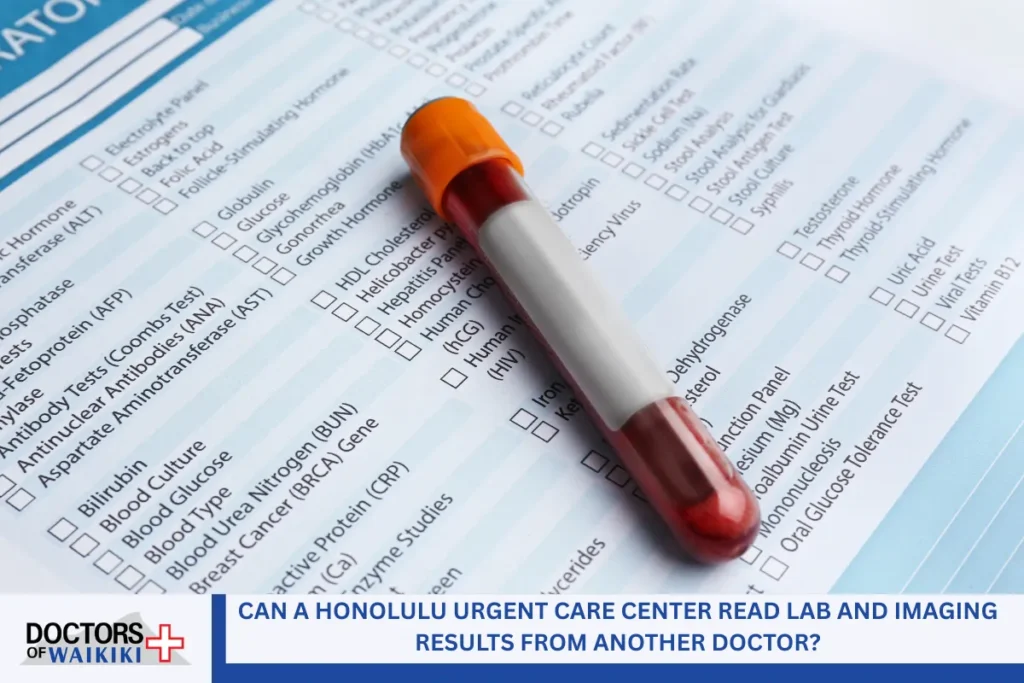
- Order diagnostic tests, such as X-rays or MRIs, if needed.
- Discuss your symptoms and daily challenges.
- Develop a personalized pain management plan.
Treatment Options: How Is Chronic Pain Managed in Honolulu?
Medication-Based Therapies
Pain management physicians may recommend several medication options, tailored to your unique situation:
- Over-the-counter pain relievers (acetaminophen, ibuprofen)
- Prescription medications for nerve pain, muscle spasms, or inflammation
- Topical creams and patches for targeted relief
- Carefully managed opioids (only when absolutely necessary and monitored closely)
Non-Medication Approaches for Lasting Results
A comprehensive pain management plan in Honolulu often includes non-drug therapies, such as:
- Physical Therapy: Guided exercises and stretches help restore movement and reduce pain.
- Injections and Nerve Blocks: Corticosteroid injections or nerve blocks can provide relief for specific areas.
- Chiropractic and Osteopathic Care: Some patients benefit from spinal manipulation or manual therapies.
- Acupuncture: Increasingly popular, acupuncture has shown promise for various pain conditions.
Lifestyle Adjustments and Self-Care
Your pain management doctor will likely recommend lifestyle changes to complement medical treatments:
- Improved posture and ergonomic adjustments at work/home
- Weight management to reduce joint stress
- Stress reduction techniques, such as meditation or yoga
- Regular low-impact exercise (walking, swimming)
Read Does Honolulu Urgent Care Center Manage Anxiety or Panic Symptoms?
Pain Management Support from Urgent Care Clinics and Walk In Centers
When to Visit an Urgent Care Center for Pain
For sudden or severe pain—especially after injury, sprains, or when pain prevents you from moving—a visit to an urgent care clinic or walk in clinic in Honolulu is the best choice. Urgent care doctors are skilled in evaluating acute pain, providing quick relief, and referring you to a pain management specialist if needed.
The Role of Urgent Care Doctors in Pain Relief
Urgent care doctors can offer:
- Immediate pain relief options (medication, splints, ice/heat therapy)
- Rapid imaging (X-rays, ultrasounds)
- Coordination with pain management clinics for follow-up care
Having an urgent care center nearby means you don’t have to wait days or weeks to start feeling better. Walk-in appointments and extended hours make care accessible for everyone, whether you’re a resident or visitor in Honolulu.
Personalized Pain Management Plans: Building Trust with Your Physician
Collaborative, Patient-Focused Care
The most successful pain management plans are personalized. Your pain management physician will work closely with you to understand your symptoms, goals, and lifestyle. Open communication, regular follow-up visits, and realistic expectations are key to long-term success.
Bilingual Services and Quick Availability in Honolulu
Many pain management clinics and urgent care centers in Honolulu offer bilingual staff and same-day appointments. This ensures everyone can access high-quality care quickly, regardless of language or schedule.
Pain Management Honolulu – Doctors of Waikiki
If you or a loved one is struggling with ongoing pain, Doctors of Waikiki is here to help as your trusted urgent care center in Honolulu. Our experienced team offers walk-in care for sudden pain and supports long-term relief through personalized pain management plans. We treat everything from sports injuries to chronic conditions, using advanced techniques to restore comfort and mobility. Whether you need immediate relief or ongoing support from a pain management physician, our bilingual staff is ready to assist you. Call (808) 922-2112 or fill out our contact form today—let Doctors of Waikiki help you get back to living pain-free in Honolulu and the surrounding areas.
Frequently Asked Questions
Can I visit a pain management doctor without a referral in Honolulu?
Yes, many pain management clinics in Honolulu accept new patients without a referral. Walk-in clinics and urgent care centers are designed for fast access, so you don’t have to wait for a primary care doctor to send you. This ensures you get evaluated and start treatment as quickly as possible, especially when pain is affecting your daily life. Always check with the clinic in advance regarding insurance requirements and availability, as some specialized treatments might require prior authorization.
Are there non-opioid options for pain management in Honolulu?
Absolutely. Many pain management physicians focus on non-opioid treatments first, including physical therapy, injections, nerve blocks, acupuncture, and over-the-counter medications. Non-drug therapies, like guided exercise or mindfulness, can significantly reduce chronic pain for many people. Opioids are typically reserved for severe cases, and only when closely monitored. Honolulu clinics prioritize safe, effective strategies to help patients avoid the risks associated with long-term opioid use.
How do pain management doctors diagnose the cause of chronic pain?
Pain management doctors in Honolulu use a combination of methods to diagnose chronic pain. This may include a detailed medical history, physical examination, and diagnostic tests such as blood work, X-rays, CT scans, or MRIs. Sometimes, nerve studies or pain mapping techniques are used. The goal is to identify underlying conditions—like arthritis, nerve damage, or previous injuries—to develop a treatment plan tailored to your needs.
What should I bring to my first appointment at a pain management clinic?
For your first appointment, bring a list of all current medications, previous medical records, any recent imaging (like X-rays or MRI results), and details about your pain (when it started, what makes it better or worse, and how it affects your daily life). This information helps your pain management physician accurately diagnose and create an effective treatment plan. If you’ve tried home remedies or seen other doctors, bring those notes as well.
How long does it take to see improvement after starting pain management treatment?
The timeline for improvement varies based on your specific condition, the treatments selected, and your individual response. Some patients notice relief after the first visit, especially with certain medications or injections, while others require several weeks of ongoing therapy to experience significant change. Your pain management doctor will monitor your progress and adjust your treatment plan as needed to ensure the best possible outcome.
Disclaimer: This article is intended for informational purposes only and should not be considered medical advice. Always consult with a qualified healthcare provider or pain management physician before starting any new treatment or if you have questions about your health. Results and experiences may vary depending on individual health conditions and treatment plans.
Read What Not to Say to Your Pain Management Doctor in Honolulu, Hawaii