A Honolulu Urgent Care Center can safely treat many infant fevers, but knowing when to seek immediate emergency care is critical. For new parents, a rising temperature can trigger instant worry. You may feel unsure whether it’s a mild viral illness or something more serious. Waiting too long can increase anxiety, yet rushing to the emergency room for every fever may not be necessary. The good news is that many urgent care services are well-equipped to evaluate and treat common causes of infant fever. Understanding what an urgent care doctor can handle—and when a hospital is the safer choice—helps you act quickly and confidently when your baby needs care.
Why Infant Fevers Cause So Much Concern
Fever in infants is not an illness itself. It is a symptom, usually signaling that the body is fighting an infection. However, babies—especially those under three months old—have developing immune systems. That’s why healthcare providers treat fevers in young infants differently than in older children.
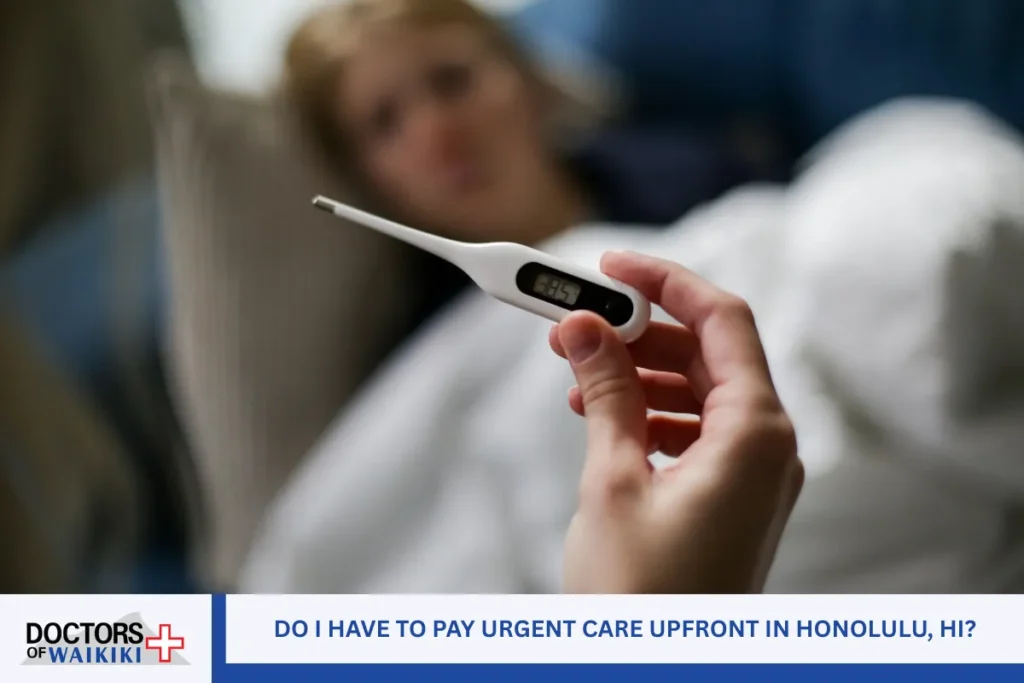
In medical terms, a fever is typically defined as:
- 100.4°F (38°C) or higher measured rectally in infants
- 100.4°F (38°C) or higher measured with other reliable methods
For babies younger than 3 months, any fever of 100.4°F or above requires immediate medical evaluation. In many cases, pediatric guidelines recommend emergency room assessment rather than a standard walk-in clinic visit.
For infants over 3 months, the situation depends on symptoms, behavior, hydration status, and duration of fever.
When an Urgent Care Center Can Safely Treat Infant Fevers
Not every fever requires a hospital visit. Many urgent care services are prepared to evaluate common pediatric conditions.
An urgent care center may safely treat:
- Mild viral infections
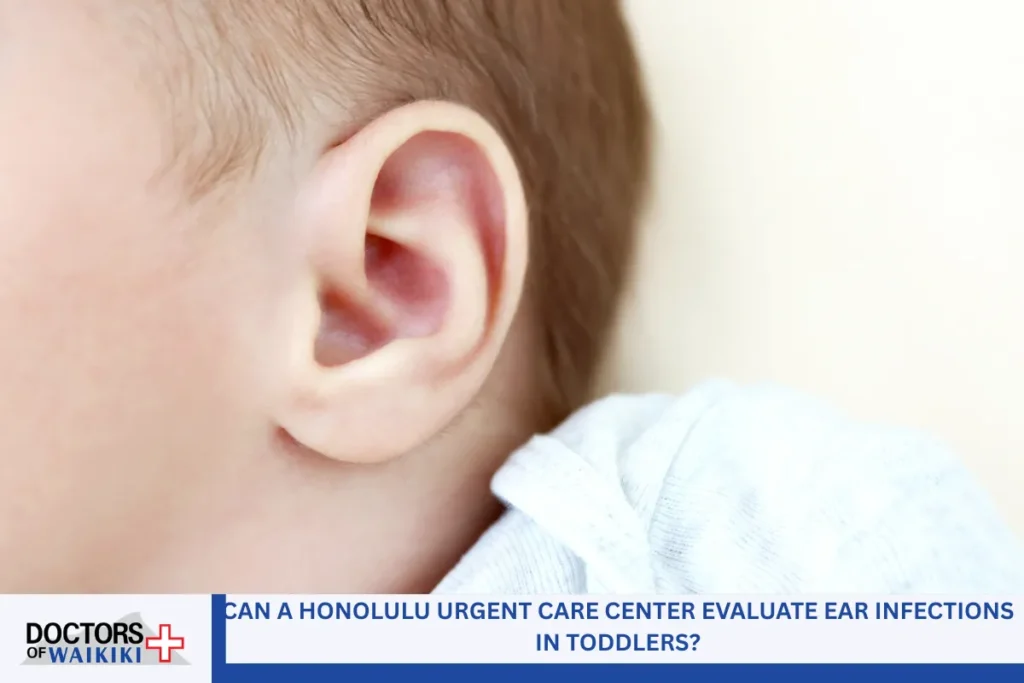
- Ear infections (otitis media)
- Upper respiratory infections
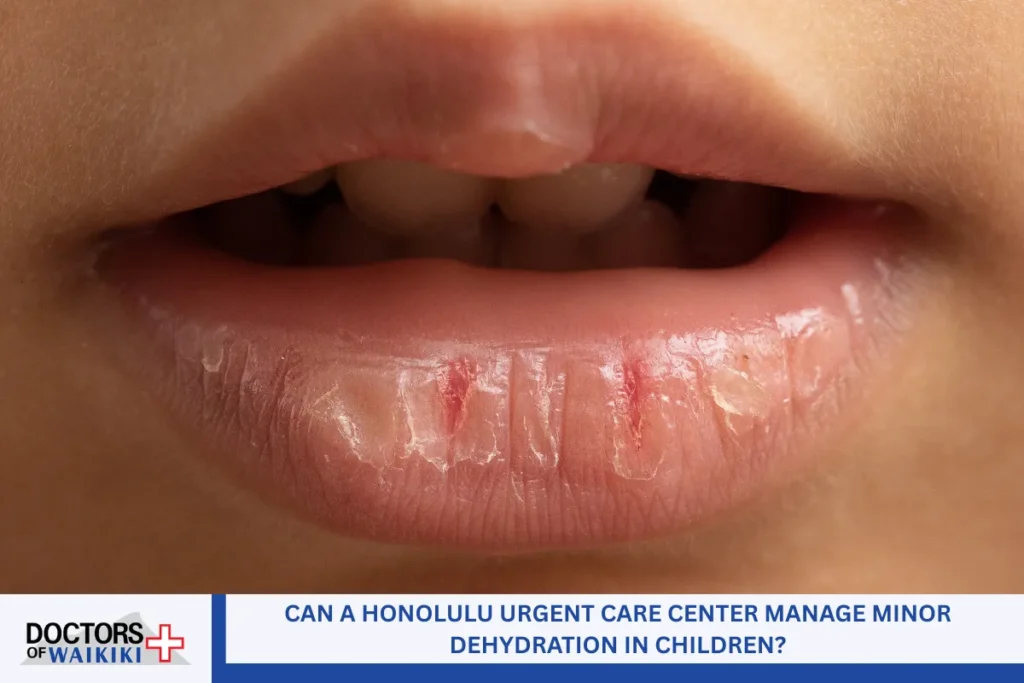
- Mild dehydration
- Roseola
- Teething-related temperature elevations
- Minor skin infections
An experienced urgent care doctor can:
- Perform a physical exam
- Check hydration and breathing
- Order basic lab tests (such as urinalysis)
- Conduct rapid testing for flu, RSV, or COVID-19
- Prescribe antibiotics if bacterial infection is confirmed
- Provide fever management guidance
Many modern walk-in clinic facilities in Honolulu are equipped with pediatric exam rooms and trained staff familiar with infant care. They can monitor vital signs and determine whether the baby is stable.
However, not all urgent care centers are the same. It’s important to verify that the clinic treats infants and has pediatric-trained providers.
When to Go Straight to the Emergency Room
Certain symptoms require immediate emergency medical care rather than a visit to an urgent care center.
Seek emergency care if your infant:
- Is younger than 3 months with a fever
- Has trouble breathing
- Has bluish lips or skin
- Appears lethargic or unresponsive
- Has a seizure
- Shows signs of severe dehydration (no wet diapers for 8 hours, sunken soft spot)
- Has a stiff neck
- Has a rash that does not blanch when pressed
In these situations, hospital emergency departments have access to advanced diagnostic tools, IV antibiotics, imaging, and pediatric specialists.
Urgent care services are designed for non-life-threatening conditions. They can assess severity, but they do not replace hospital-level emergency care.
Understanding Hawaii’s Healthcare Guidelines for Pediatric Care
In Hawaii, urgent care centers operate under state licensing regulations that require proper physician oversight and compliance with healthcare safety standards. Clinics must follow infection control protocols, patient privacy rules under HIPAA, and established pediatric care guidelines.
However, urgent care centers are not classified as emergency facilities. Under Hawaii Department of Health regulations, emergency departments must provide comprehensive stabilization for severe or life-threatening conditions.
That means a walk-in clinic can evaluate and treat minor illnesses but may refer an infant to a hospital if advanced care is required.
Parents in Honolulu should confirm:
- The facility treats infants
- Providers have pediatric experience
- The clinic can perform basic lab testing
- The clinic has clear emergency transfer protocols
Common Causes of Infant Fever Seen in Urgent Care
Viral Infections
Viruses are the most common cause of fever in infants. These may include:
- Common cold viruses
- Respiratory syncytial virus (RSV)
- Influenza
- COVID-19
- Roseola
An urgent care doctor can evaluate symptoms, perform testing when appropriate, and recommend supportive treatment such as hydration and fever reducers.
Ear Infections
Ear infections are common in babies. Signs include:
- Tugging at ears
- Fussiness
- Trouble sleeping
- Reduced appetite
Urgent care services can diagnose ear infections with an otoscope and prescribe antibiotics if bacterial infection is suspected.
Urinary Tract Infections
UTIs can cause fever without obvious symptoms in infants. A walk-in clinic can collect a urine sample for testing and begin treatment if necessary.
Post-Vaccination Fever
Mild fever after immunizations is common. An urgent care center can evaluate the baby if the fever seems high or prolonged, though most post-vaccine fevers resolve within 24–48 hours.
What to Expect During the Visit
Knowing what happens during an urgent care visit can reduce anxiety.
Typically, the process includes:
- Registration and medical history review
- Vital signs (temperature, heart rate, oxygen levels)
- Physical examination
- Possible diagnostic testing
- Treatment plan discussion
Parents should bring:
- A list of symptoms and timeline
- Current medications
- Immunization records
- Insurance information
The urgent care doctor may recommend acetaminophen dosing based on the baby’s weight. Ibuprofen is not recommended for infants under 6 months.
Read Honolulu Urgent Care Center: Are Childhood Vaccinations Available?
Fever Management at Home
When the infant is stable and cleared by a provider, fever management often includes:
- Ensuring adequate fluids
- Monitoring wet diapers
- Light clothing
- Using acetaminophen as directed
- Observing behavior
Important: Fever alone is not always dangerous. How the baby behaves matters more than the number on the thermometer. An alert, feeding infant with mild fever is less concerning than a lethargic infant with a lower fever.
How Urgent Care Differs from a Pediatric Office
Parents often wonder whether to choose a pediatrician or urgent care center.
Pediatric Office:
- Best for routine care
- Ongoing medical history tracking
- Scheduled appointments
Urgent Care Center:
- Extended hours
- Weekend availability
- No appointment needed
- Quick evaluation for sudden illness
For after-hours concerns in Honolulu, a walk-in clinic provides convenient access when a pediatric office is closed.
Signs That an Infant Fever Is Likely Mild
While no fever should be ignored, some reassuring signs include:
- Baby is smiling or responsive
- Feeding normally
- Normal urine output
- Mild cold symptoms
- Fever lasting less than 48 hours
Even so, parents should trust their instincts. If something feels wrong, medical evaluation is appropriate.
Pediatric Expertise in Modern Urgent Care Facilities
Many urgent care services today include board-certified physicians, physician assistants, and nurse practitioners trained in pediatric care. They use evidence-based guidelines from organizations such as the American Academy of Pediatrics when evaluating fever in infants.
In Honolulu, urgent care providers must follow strict infection control measures. This includes cleaning protocols, proper equipment sterilization, and patient triage systems to reduce exposure to contagious illnesses.
Some clinics also have on-site labs and digital diagnostic equipment, allowing for faster results and treatment decisions.
Choosing the Right Walk-In Clinic for Your Infant
Not all facilities are identical. Before visiting, parents may want to check:
- Age limits for patients
- Pediatric equipment availability
- Average wait times
- Insurance acceptance
- Online check-in options
Reading reviews and confirming pediatric capability can save time and reduce stress during a fever episode.
Peace of Mind Starts with Preparation
Infant fevers are common. Most are caused by mild viral illnesses that resolve with supportive care. A Honolulu urgent care center can safely evaluate and treat many of these cases, especially for infants older than three months who are stable.
However, high-risk symptoms or very young infants require emergency care.
Knowing the difference empowers parents to act quickly without panic. Urgent care services provide accessible, convenient, and professional medical evaluation for many non-life-threatening fevers. When used appropriately, they are a safe and valuable option for families in Honolulu.
Honolulu Urgent Care Center – Doctors of Waikiki
At Doctors of Waikiki, we understand how frightening it can be when your baby develops a fever. As a trusted urgent care center in Honolulu, Hawaii, we provide prompt evaluation for infants and children in a calm, professional environment. Our experienced medical team delivers comprehensive urgent care services, including fever assessment, diagnostic testing, and treatment plans tailored to your child’s needs.
We welcome walk-ins and offer convenient hours so you don’t have to wait for an appointment. When you need an urgent care doctor you can trust, we are here to help. Call us today at (808) 922-2112 or fill out our contact form to speak with our team. Your child’s health and your peace of mind matter to us.
Frequently Asked Questions
1. Can teething cause a true fever in infants?
Teething may cause a slight rise in body temperature, but it typically does not produce a true fever above 100.4°F. If your infant’s temperature reaches or exceeds that threshold, it is more likely due to infection rather than teething alone. Many parents assume teething is responsible, which can delay appropriate evaluation. If your baby has additional symptoms such as cough, vomiting, rash, or poor feeding, medical assessment is recommended. An urgent care doctor can determine whether the fever is related to a minor illness or something requiring further treatment.
2. Is it safe to alternate acetaminophen and ibuprofen for infant fever?
For infants under six months, ibuprofen is generally not recommended. Acetaminophen is usually the preferred fever reducer when dosed properly by weight. Alternating medications may be suggested for older infants in specific situations, but this should only be done under medical guidance to avoid dosing errors. Giving incorrect amounts can be harmful. A walk-in clinic provider can calculate safe dosing and explain how often medication should be administered. Always use the measuring device provided with the medication rather than a household spoon.
3. How long is too long for a fever to last in an infant?
Most viral fevers resolve within three days. If a fever persists beyond 72 hours, or if it improves and then returns, further evaluation is important. Prolonged fever may indicate a bacterial infection that requires antibiotics. Even if your infant appears stable, ongoing fever should not be ignored. Urgent care services can reassess symptoms, repeat examinations, and perform additional testing if necessary. Parents should also seek care sooner if new symptoms develop or the baby’s behavior changes significantly.
4. Can an urgent care center perform blood tests on infants?
Many urgent care centers can perform basic laboratory testing, such as urine tests and rapid viral testing. However, not all facilities have the capability to conduct comprehensive blood testing for infants. If advanced lab work is required, the urgent care doctor may refer your baby to a hospital or pediatric emergency department. It is always appropriate to ask the clinic about available diagnostic services before visiting. Facilities in Honolulu follow state regulations regarding laboratory testing and referral protocols.
5. Should I wake my baby to give fever medication?
If your baby is sleeping comfortably and breathing normally, it is often acceptable to let them rest. Sleep supports immune function and recovery. However, if your healthcare provider has instructed scheduled dosing due to high fever or discomfort, follow their guidance. The key consideration is your baby’s comfort and hydration status. If your infant is difficult to wake, unusually sluggish, or not feeding well, seek medical care immediately. An urgent care doctor can evaluate whether continued monitoring at home is appropriate.
Disclaimer: This article is for general informational purposes only and does not replace professional medical advice, diagnosis, or treatment. Always seek immediate medical care for emergencies or concerning symptoms in infants.
Read Can Urgent Care Do Anything for Sinus Pressure in Honolulu, HI?