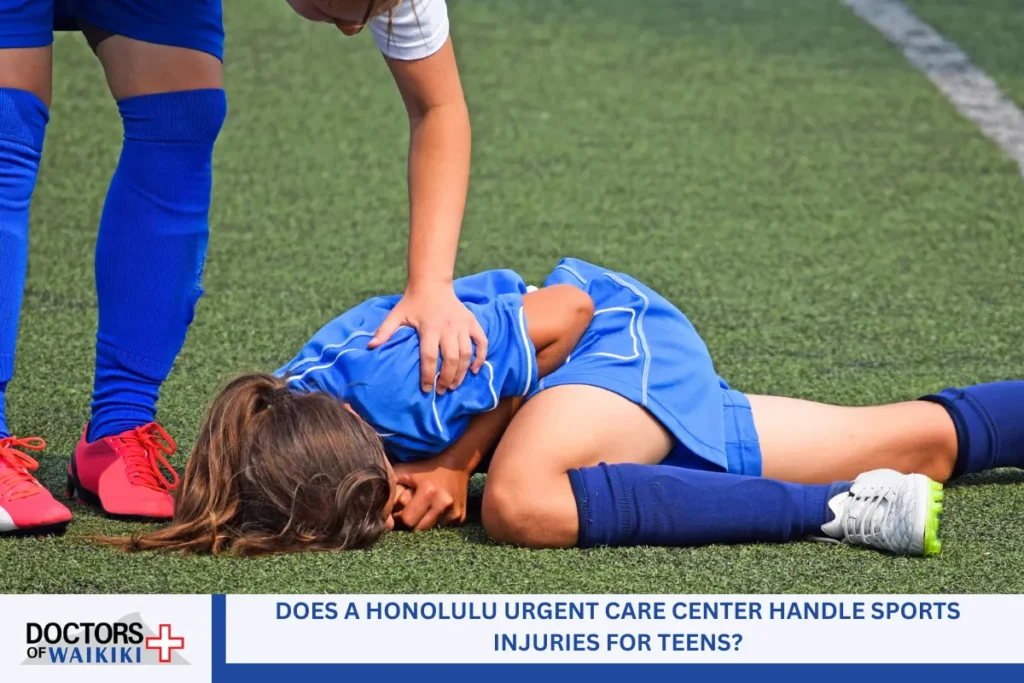
A Honolulu Urgent Care Center is often the first place parents think about when their teen gets hurt during practice or a weekend game. One wrong move on the field, a hard fall on the court, or an awkward landing during a jump can instantly turn an exciting moment into a stressful one. Waiting days for a primary care appointment feels impossible. Sitting for hours in an emergency room may seem overwhelming if the injury doesn’t appear life-threatening. So where should you go? The good news is that most sports-related injuries in teens can be evaluated and treated quickly at an urgent care center, offering timely care, on-site diagnostics, and experienced medical support when your child needs it most.
Why Teen Sports Injuries Are So Common in Honolulu
Honolulu’s warm climate and active lifestyle encourage year-round sports participation. Teens often play:
- Soccer
- Basketball
- Football
- Volleyball
- Surfing
- Track and field
- Martial arts
With consistent training and competitive games, injuries are bound to happen. Growth spurts during adolescence also make teens more vulnerable. Bones grow faster than muscles and tendons can stretch, increasing the risk of strains and overuse injuries.
According to national sports medicine data, common teen athletic injuries include sprains, strains, fractures, tendonitis, and concussions. Many of these injuries are not life-threatening but require prompt evaluation to prevent complications. This is where urgent care services play an important role.
What Types of Teen Sports Injuries Can Be Treated at an Urgent Care Center?
An urgent care center is designed to handle non-life-threatening medical issues that still need immediate attention. For teen athletes, this often includes the following conditions.
Sprains and Strains
Sprains affect ligaments, while strains impact muscles or tendons. These injuries are extremely common in basketball, soccer, and volleyball players. An urgent care doctor can:
- Perform a physical examination
- Order X-rays if needed to rule out fractures
- Recommend bracing or splinting
- Provide guidance on rest, ice, compression, and elevation (RICE)
- Prescribe anti-inflammatory medication when appropriate
Minor Fractures
Not all fractures require emergency surgery. Many simple or stable fractures can be diagnosed through on-site imaging at a walk-in clinic. If the break is uncomplicated, the provider may apply a splint and refer your teen to an orthopedic specialist for follow-up.
However, if the bone is severely displaced or breaking through the skin, the emergency room is the right choice.
Dislocations
Shoulder and finger dislocations happen frequently in contact sports. An experienced urgent care doctor can assess the injury, confirm alignment with imaging, and determine if reduction is safe in that setting or if emergency referral is needed.
Cuts and Lacerations
Outdoor sports and surfing accidents can lead to cuts that require stitches. Urgent care services typically include wound cleaning, suturing, and infection prevention.
Mild Concussions
Head injuries are serious and should never be ignored. Many urgent care centers evaluate mild concussions by:
- Assessing symptoms such as headache, dizziness, nausea, or confusion
- Conducting neurological checks
- Providing return-to-play guidance
If severe symptoms like repeated vomiting, loss of consciousness, or worsening confusion occur, immediate emergency care is necessary.
Overuse Injuries
Teens who train intensively may develop:
- Shin splints
- Stress fractures
- Tendonitis
- Osgood-Schlatter disease
A walk-in clinic can assess these conditions, provide pain management strategies, and recommend rest periods or specialist referrals.
When Should Parents Choose the Emergency Room Instead?
While urgent care centers handle many sports injuries, certain red flags require emergency medical services:
- Severe head trauma
- Loss of consciousness
- Heavy bleeding that won’t stop
- Suspected spinal injury
- Obvious bone deformity
- Chest pain or breathing difficulty
In Hawaii, emergency departments are equipped for advanced trauma care, surgical intervention, and life-saving procedures. An urgent care center focuses on non-emergent but urgent problems.
Knowing the difference helps parents make confident decisions in stressful moments.
Benefits of Choosing a Walk-In Clinic for Teen Sports Injuries
Faster Access to Care
Emergency rooms prioritize life-threatening conditions, which can lead to long waits for minor injuries. A walk-in clinic typically offers shorter wait times for issues like ankle sprains or wrist fractures.
On-Site Diagnostic Tools
Many urgent care services include digital X-rays, allowing same-day diagnosis without visiting multiple facilities.
Cost-Effective Alternative
For non-emergency injuries, visiting an urgent care center is usually more affordable than an ER visit. Insurance copays are often lower, and out-of-pocket costs can be significantly reduced.
Extended Hours
Teen sports practices and games often occur in the evenings or on weekends. Many urgent care centers in Honolulu offer extended hours, making care accessible outside of traditional office times.
What to Expect During a Visit for a Sports Injury
When you bring your teen to an urgent care doctor, the visit typically follows this process:
- Registration and medical history review
- Physical examination
- Imaging, if needed
- Immediate treatment plan
- Instructions for home care
- Referral to specialists if necessary
Parents should bring insurance information, a list of medications, and details about how the injury occurred.
Clear communication about symptoms helps providers determine whether the injury is minor or requires advanced care.
Return-to-Play Guidelines for Teen Athletes
Returning to sports too soon can lead to reinjury. An urgent care center may provide guidance based on:
- Pain levels
- Range of motion
- Swelling
- Strength
- Concussion protocols
For head injuries, return-to-play decisions follow stepwise progression guidelines commonly recommended in sports medicine. Teens should only resume activity when symptom-free and cleared by a healthcare provider.
Hawaii schools and athletic programs often require medical clearance documentation before allowing athletes back on the field.
Read Can a Honolulu Urgent Care Center Evaluate Ear Infections in Toddlers?
The Role of Imaging in Diagnosing Sports Injuries
Imaging is crucial when a fracture or serious joint injury is suspected.
X-Rays
X-rays detect broken bones, dislocations, and certain growth plate injuries common in adolescents.
Growth Plate Considerations
Teens have open growth plates, which are more vulnerable than adult bones. An experienced urgent care doctor understands how to evaluate these injuries carefully, as improper treatment can affect bone development.
Advanced imaging like MRI may require referral to a specialist, especially for ligament tears such as ACL injuries.
Hawaii Regulations and Standards for Urgent Care Centers
In Honolulu, urgent care centers must comply with Hawaii state health regulations. Facilities operate under state licensing requirements and must meet safety, sanitation, and staffing standards.
Physicians providing care are licensed in the State of Hawaii and must adhere to professional medical standards. Urgent care centers are not substitutes for emergency departments but are authorized to provide treatment for non-life-threatening conditions.
Parents can feel reassured knowing these facilities operate under regulated healthcare standards.
Preventing Sports Injuries in Teens
While accidents happen, prevention reduces risk significantly.
Key Prevention Strategies
- Proper warm-up and stretching routines
- Strength and conditioning programs
- Wearing protective equipment
- Hydration and heat illness awareness
- Rest days to avoid overtraining
Honolulu’s warm weather increases the risk of dehydration and heat-related illness. Coaches and parents should ensure adequate water intake and monitor for signs of heat exhaustion.
Importance of Physical Exams
Annual sports physicals help detect underlying conditions that could increase injury risk. Many urgent care services offer sports physicals, making them convenient for busy families.
Emotional Impact of Sports Injuries on Teens
Injuries don’t just affect the body. Teens may feel:
- Frustration
- Anxiety about losing their position
- Social isolation from teammates
- Fear of reinjury
A compassionate urgent care doctor can reassure both teens and parents while outlining realistic recovery expectations. Clear timelines and next steps reduce uncertainty and stress.
Coordinating Follow-Up Care
Urgent care centers often provide initial treatment but may recommend follow-up with:
- Orthopedic specialists
- Physical therapists
- Primary care physicians
- Sports medicine providers
Having a clear plan ensures your teen heals properly and safely returns to activities.
Communication between providers helps maintain continuity of care.
Making the Right Decision When Your Teen Gets Hurt
When your child limps off the field or holds their wrist in pain, quick thinking matters. Ask yourself:
- Is the injury life-threatening?
- Is there severe bleeding or unconsciousness?
- Can they move the injured area?
- Is swelling immediate and severe?
If the injury is painful but stable, a walk-in clinic is often the right first step.
Parents appreciate knowing that urgent care services bridge the gap between primary care and emergency departments. They provide timely treatment without unnecessary delays.
Peace of Mind for Active Honolulu Families
Teen sports build discipline, teamwork, and confidence. Injuries are sometimes part of that journey. Fortunately, most are manageable with prompt evaluation and appropriate care.
A Honolulu Urgent Care Center can handle a wide range of teen sports injuries, from minor fractures and sprains to mild concussions and lacerations. Knowing where to go saves time, reduces stress, and helps your teen recover safely.
Choosing the right level of care ensures your child receives professional attention while avoiding unnecessary emergency room visits. With the right support, your teen can heal properly and get back to doing what they love.
Honolulu Urgent Care Center – Doctors of Waikiki
At Doctors of Waikiki, we understand how stressful it is when your teen gets hurt during sports. As a trusted urgent care center in Honolulu, Hawaii, we provide prompt evaluation and treatment for sprains, minor fractures, cuts, and other athletic injuries. Our experienced urgent care doctor team offers on-site diagnostics and same-day urgent care services so your family doesn’t have to wait.
We welcome walk-ins and are committed to helping active teens recover safely. If your child needs medical attention after a game or practice, call us at (808) 922-2112 or fill out our contact form today. At Doctors of Waikiki, we are here to provide reliable, compassionate care when you need it most.
Frequently Asked Questions
Can urgent care provide sports physicals for teens?
Yes, many urgent care centers offer sports physicals required by schools and athletic programs. These exams assess overall health, review medical history, and check for conditions that could increase injury risk. The provider evaluates heart, lung, joint, and neurological function to ensure safe participation. If concerns are identified, follow-up with a specialist may be recommended. Sports physicals at a walk-in clinic are convenient because they often require no appointment and can be completed quickly, especially during back-to-school seasons when scheduling with primary care providers may be difficult.
How much does it cost to treat a sports injury at urgent care in Honolulu?
Costs vary depending on the type of injury and whether imaging is needed. Generally, visiting an urgent care center is significantly less expensive than going to an emergency room for non-life-threatening injuries. Insurance copays are typically lower, and self-pay pricing may be available. Services such as X-rays, splinting, or sutures may add to the total cost. It is always helpful to contact the facility in advance to ask about accepted insurance plans and estimated fees for common sports-related conditions.
Can urgent care treat heat exhaustion from outdoor sports?
Yes, mild to moderate heat exhaustion can often be managed at an urgent care center. Treatment may include monitoring vital signs, oral or IV hydration, cooling measures, and rest. Honolulu’s warm climate increases the risk of dehydration, especially during long practices. However, severe heat stroke is a medical emergency requiring immediate hospital care. Symptoms such as confusion, high body temperature, fainting, or seizures require emergency services. Prompt evaluation ensures appropriate care and helps prevent serious complications related to heat illness.
What happens if a teen needs a specialist after visiting urgent care?
If the injury requires advanced care, the urgent care doctor will provide a referral to an orthopedic surgeon, sports medicine physician, or physical therapist. The urgent care visit serves as the first step in diagnosing and stabilizing the condition. Parents typically receive written discharge instructions and copies of imaging results to share with the specialist. This coordinated approach helps ensure continuity of care and supports a smoother recovery process for the teen athlete.
Are urgent care centers in Honolulu equipped to handle growth plate injuries?
Growth plate injuries are common in adolescents because their bones are still developing. Many urgent care centers have digital X-ray equipment to identify suspected growth plate damage. While initial stabilization and evaluation can be performed at a walk-in clinic, certain growth plate fractures may require orthopedic follow-up. Prompt assessment is important because untreated growth plate injuries can affect bone development. Early diagnosis allows appropriate treatment planning and helps reduce the risk of long-term complications.
Disclaimer: This article is for informational purposes only and does not constitute medical advice. If your teen experiences a severe or life-threatening injury, call emergency services immediately. Always consult a licensed healthcare professional in Hawaii for personalized medical evaluation and treatment.
Read Honolulu Urgent Care Center: Are Childhood Vaccinations Available?