Honolulu Urgent Care Centers are often one of the first places people turn when an ear suddenly feels blocked, painful, or impossible to ignore. Maybe it is stubborn earwax causing pressure and muffled hearing. Maybe it is an ear infection that started with mild discomfort and quickly turned into throbbing pain, drainage, fever, or dizziness. The frustrating part is not knowing whether a walk-in clinic can actually help or whether you need a specialist or the emergency room. The good news is that many urgent care centers can evaluate both problems, and some can treat them on the spot. Knowing what they commonly handle, what procedures they may offer, and when symptoms need a higher level of care can save time, stress, and unnecessary suffering.
When Ear Symptoms Make Same-Day Care a Smart Move
Ear problems are common, but they are not all the same. A clogged feeling can come from impacted earwax. Sharp pain can point to inflammation or infection. Itching and tenderness around the ear canal may suggest outer ear irritation, often called swimmer’s ear. A feeling of pressure deep inside the ear may be linked to a middle ear infection, congestion, or eustachian tube dysfunction. Because these symptoms overlap, a proper exam matters. An urgent care doctor can often look in the ear canal, check the eardrum, ask about recent swimming, colds, allergies, or flights, and decide whether you need earwax removal, ear drops, oral medication, or referral.
Many urgent care services are designed for non-life-threatening conditions that still should not wait days for an appointment. Ear pain fits that category in many cases, especially when it interferes with sleep, hearing, work, or school. Walk-in access is one reason urgent care centers remain popular for sudden ear symptoms. Patients often want prompt relief, not a long delay while discomfort worsens.
Earwax Buildup Is More Than a Minor Annoyance

Earwax, also called cerumen, is normal and protective. It helps trap debris, moisturize the ear canal, and support the ear’s natural defense system. Trouble starts when wax becomes impacted and blocks the canal or covers the eardrum, making hearing dull and creating pressure, ringing, discomfort, or even cough and dizziness in some people. Clinical guidance supports treatment when cerumen impaction causes symptoms or prevents the clinician from examining the ear properly.
Signs Your Earwax May Need Medical Attention
Common symptoms of impacted earwax include:
- muffled hearing
- ear fullness or pressure
- earache or irritation
- ringing in the ear
- itching
- dizziness or balance changes
- trouble wearing hearing aids or earbuds comfortably
These symptoms can also overlap with infection or other ear conditions, which is another reason an exam matters before trying random home remedies
Do Urgent Care Centers Usually Remove Earwax?
Many urgent care centers do evaluate and treat earwax buildup, but not every urgent care center offers the same procedure at every location. Availability can depend on staffing, equipment, and whether the clinician thinks removal is safe that day. In general, primary care and urgent care settings commonly manage cerumen impaction, especially uncomplicated cases. When removal is difficult or risky, referral to an ear, nose, and throat specialist may be the safer next step.
How Earwax Removal May Be Done at a Walk-In Clinic
A walk-in clinic or urgent care doctor may use one or more of these approaches:
- ear-softening drops
- irrigation with water or saline when appropriate
- manual removal using medical instruments under direct visualization
The best method depends on the wax, your symptoms, and your medical history. Irrigation is not right for everyone. It may be avoided if there is a suspected eardrum perforation, prior ear surgery, active drainage, or certain other ear conditions. That is why professional evaluation matters more than assuming every clogged ear should be flushed.
What Not to Do Before You Go
Cotton swabs, hairpins, ear candles, and other objects can push wax deeper or injure the canal. Clinical ear care guidance warns against inserting objects into the ear because the ear is usually self-cleaning, and self-cleaning attempts can worsen blockage or cause trauma.
Ear Infections Treated in Urgent Care Are Common, but They Are Not One-Size-Fits-All
Many urgent care centers also treat ear infections, but the treatment depends on which part of the ear is involved. The phrase “ear infection” can describe different problems, and the correct treatment is not always the same.
Outer Ear Problems: Swimmer’s Ear and Canal Inflammation
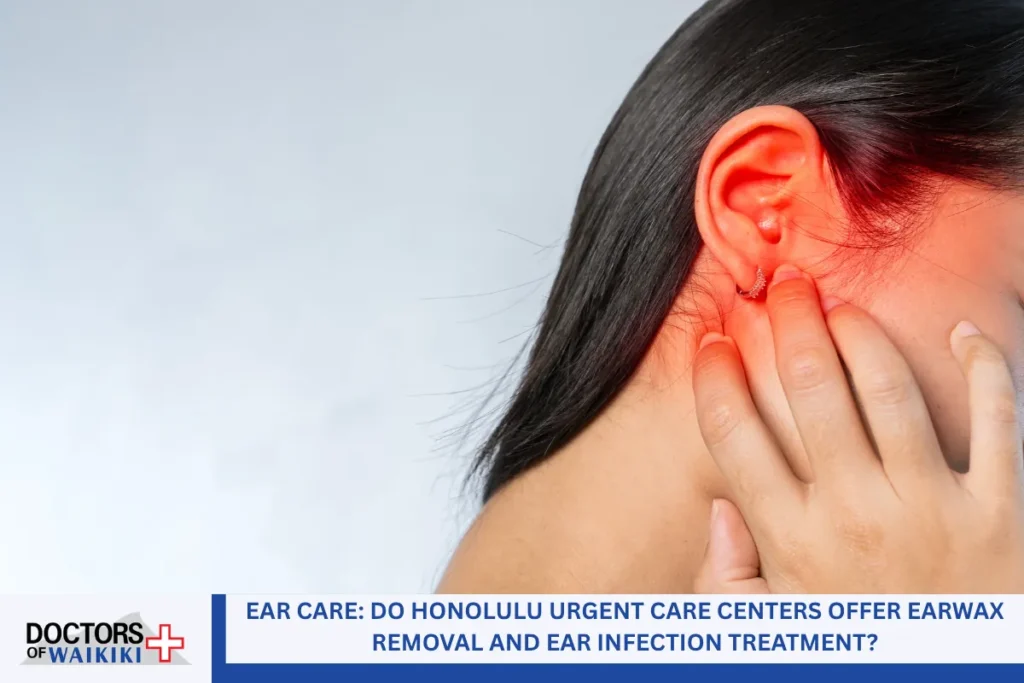
Swimmer’s ear, or otitis externa, affects the ear canal. It often causes pain when the ear is touched, itching, redness, swelling, drainage, and a plugged sensation. Water exposure, skin irritation, or minor trauma from scratching and swab use can set the stage for infection. Treatment often includes prescription ear drops, and some cases also need cleaning of the canal or pain control.
Middle Ear Infections: Pressure, Pain, and Fever
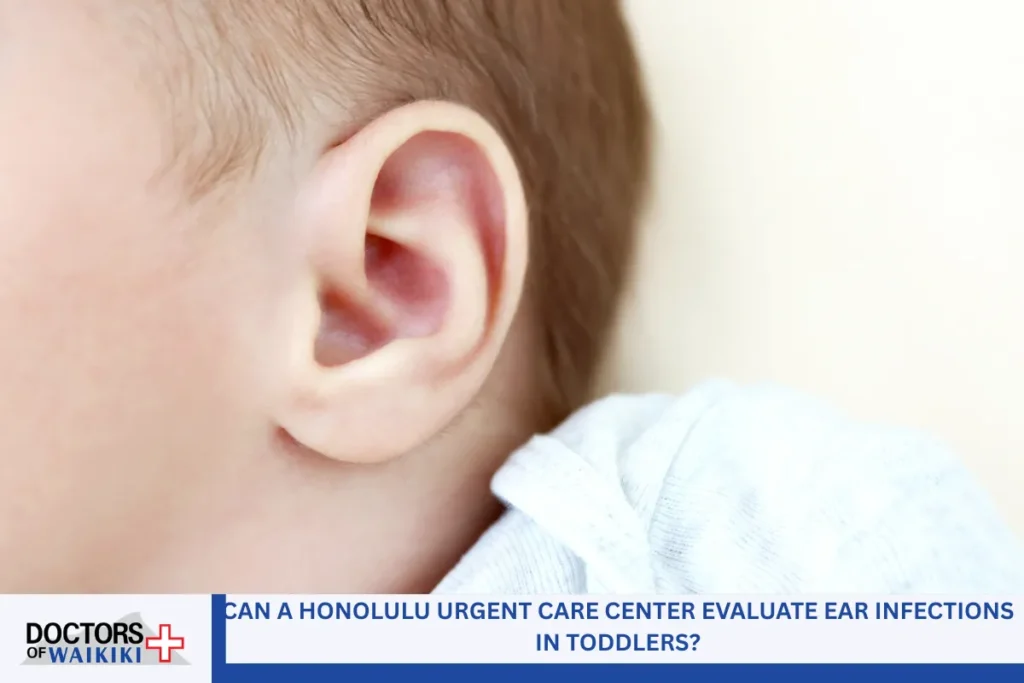
A middle ear infection, or otitis media, happens behind the eardrum. It may follow a cold or upper respiratory illness and can cause ear pain, fever, reduced hearing, irritability in children, and sometimes fluid drainage if the eardrum ruptures. Treatment can vary based on age, symptom severity, duration, and what the clinician sees during the exam. Some patients need pain relief and observation, while others may need antibiotics or close follow-up
What an Urgent Care Doctor Will Usually Check During the Visit

A careful ear visit should go beyond simply saying, “It looks infected.” An urgent care doctor or other licensed clinician will usually ask when symptoms began, whether you recently swam or flew, whether you had a recent cold, whether hearing dropped suddenly, whether there is drainage, and whether there is a history of tubes, ear surgery, chronic infections, or a ruptured eardrum. The exam may include inspection of the outer ear, the ear canal, and the eardrum, along with temperature, throat, nose, and lymph node checks when infection is suspected.
This matters because earwax can hide an infection, and infection can sometimes mimic a wax blockage. A proper exam helps urgent care services decide whether immediate treatment is appropriate or whether you should see a specialist.
When Honolulu Patients May Need More Than a Walk-In Clinic
Urgent care centers are helpful, but they are not a substitute for emergency care in every situation. Certain red flags deserve higher-level evaluation. Public health and major medical references recommend prompt medical attention for severe symptoms such as high fever, significant drainage, swelling behind the ear, facial weakness, worsening symptoms, severe dizziness, or concerns for a ruptured eardrum or spreading infection. Infants with fever also need more urgent assessment.
Go to the Emergency Room Instead of Urgent Care if You Notice:
- severe ear pain with swelling behind the ear
- facial drooping or weakness
- confusion, severe headache, or stiff neck
- significant bleeding after trauma
- sudden major hearing loss
- high fever with a very ill appearance
- a foreign object lodged deep in the ear after a failed removal attempt
These situations can point to complications or emergencies that need imaging, specialist support, or hospital-level resources.
Read What Symptoms Are Appropriate for Honolulu Urgent Care Centers Visits?
Hawaii Practice Rules Matter More Than Patients Realize
In Honolulu, an urgent care center may be staffed by a physician, an advanced practice registered nurse, or a physician assistant, depending on the clinic’s model and Hawaii licensure rules. Hawaii regulates these professions through state licensing boards, and prescriptive authority for qualified APRNs is recognized under state regulation. Physician assistants in Hawaii are also licensed and practice under requirements set by the medical board. That means treatment decisions, prescriptions, and procedures in urgent care should be performed by properly credentialed clinicians acting within their legal scope of practice.
Hawaii also regulates health facilities and approvals for certain outpatient facility types and healthcare operations. In practical terms, patients should understand that urgent care services can vary by clinic. One urgent care center may handle routine earwax irrigation and uncomplicated ear infections daily, while another may limit procedural care or refer out more often. Calling ahead can help, but same-day evaluation is still appropriate when you are unsure what is causing the problem.
Why Ear Symptoms Can Get Worse When People Wait Too Long

Ear issues are easy to dismiss at first. A patient may think it is just trapped water, mild congestion, or wax that will work itself out. Sometimes that is true. Sometimes it is not. Outer ear infections can become more painful fast. Middle ear infections can continue causing pressure and hearing issues. Impacted wax can harden and become harder to remove. Delaying care also raises the chance that people try unsafe home methods first.
The best time to visit an urgent care center is often when symptoms are clearly bothersome but not yet dangerous: new ear pain, reduced hearing, persistent blockage, canal itching with tenderness, or drainage without severe systemic illness. A walk-in clinic can often sort out whether this is a wax problem, a common infection, or something that needs ENT follow-up.
What Treatment Might Look Like After the Exam
Once the ear is evaluated, the treatment plan may be simple or more involved.
For Impacted Earwax
You may be advised to use wax-softening drops, undergo irrigation if safe, or have manual removal. If the wax is tightly packed, the canal is very sensitive, or the eardrum cannot be safely assessed, follow-up or specialty referral may be recommended.
For Outer Ear Infection
Treatment often includes medicated ear drops, protection from water exposure, and pain control. Clinicians may also explain how to place drops correctly, because proper technique affects recovery.
For Middle Ear Infection
Treatment may include pain relief, watchful waiting in selected cases, or antibiotics when clinically appropriate. Follow-up becomes especially important if symptoms are not improving within 48 to 72 hours or if hearing remains affected.
How to Prepare for an Ear Visit at an Urgent Care Center
To make the most of your visit, bring useful information with you. Patients often get faster, more accurate care when they can describe the timeline clearly and mention recent travel, swimming, allergies, or cold symptoms. If you use hearing aids, earbuds, or earplugs regularly, mention that too.
A few practical steps can help:
- Do not put oil, peroxide, or random over-the-counter drops in the ear right before the visit unless you were previously told to do so.
- Do not attempt last-minute self-cleaning with swabs.
- Write down any fever, drainage color, or hearing changes.
- Tell the clinician about prior eardrum rupture, tubes, or ear surgery.
- Mention diabetes or immune system conditions, since these can affect risk and treatment decisions
Choosing Between Primary Care, Urgent Care Centers, and ENT

For mild, familiar problems, a primary care office may be enough. For sudden pain, blocked hearing, or drainage when you need care quickly, urgent care centers are often a practical middle ground. An ENT specialist becomes especially important for recurrent infections, chronic drainage, suspected eardrum problems, difficult earwax impaction, or symptoms that do not respond as expected. Clinical reviews specifically note that most cerumen impaction can be managed in primary care settings, but referral is appropriate when safe removal is not possible.
For many Honolulu residents and visitors, the value of an urgent care center is speed. You can be evaluated quickly, avoid unnecessary emergency room use for a non-emergency issue, and get direction on whether you need medication, a procedure, or specialty follow-up. That combination makes urgent care services especially useful for ear complaints that are uncomfortable, disruptive, and time-sensitive.
The Bottom Line for Fast Ear Relief in Honolulu
Yes, many Honolulu Urgent Care Centers do evaluate both earwax buildup and ear infections, and many can treat these issues during the same visit. The exact services offered depend on the clinic, the equipment available, and whether the clinician believes removal or treatment is safe in your case. If your symptoms are mild to moderate but clearly worsening your day, a walk-in clinic is often a sensible place to start. If there is severe pain, trauma, swelling behind the ear, facial weakness, heavy drainage, or sudden major hearing loss, emergency care is the safer choice. When in doubt, getting a prompt exam is often the fastest path to relief and the best way to avoid making the problem worse.
Honolulu Urgent Care Centers – Doctors of Waikiki

When ear pain, pressure, drainage, or stubborn wax buildup disrupts your day, we are here to help at Doctors of Waikiki in Honolulu, Hawaii. Our team provides prompt urgent care services for many common ear concerns, including evaluation of ear infections and impacted earwax. As one of the trusted urgent care centers serving the area, we focus on same-day care that is convenient, clear, and thorough. If your symptoms need treatment, our urgent care doctor and medical team can assess your condition and explain your next steps. We welcome walk-ins, and we make it easy to reach us fast. Call us at (808) 922-2112 or fill out our contact form today so we can help you find relief and get back to feeling like yourself.
Frequently Asked Questions
1. Can flying to or from Honolulu make ear symptoms feel worse even if I do not have an infection?
Yes. Changes in cabin pressure can strain the eustachian tubes, which help balance pressure between the middle ear and the outside environment. If those tubes are irritated from allergies, a cold, sinus congestion, or existing inflammation, you may feel popping, pain, fullness, or muffled hearing during ascent or descent. That does not automatically mean you have an infection. However, if symptoms linger after travel, become sharply painful, or are joined by drainage, fever, or significant hearing loss, a medical exam is worth scheduling. An urgent care center can help distinguish pressure-related ear barotrauma from wax buildup or an actual infection.
2. Are children with ear pain good candidates for urgent care, or should parents always call a pediatrician first?
Urgent care can be a good option for children with new ear pain, especially when the problem begins after hours, on weekends, or when a pediatric appointment is not available soon enough. A walk-in clinic can often evaluate fever, tugging at the ear, fussiness, drainage, and possible outer or middle ear infections. Parents should still seek emergency care for infants under 3 months with fever, children who appear very ill, or symptoms such as swelling behind the ear, stiff neck, or facial weakness. The key is matching the symptom severity to the right setting rather than assuming every ear complaint needs the emergency room.
3. Will urgent care prescribe antibiotics for every ear infection?
No. Antibiotics are not appropriate for every ear problem. Some cases involve impacted wax, irritation, pressure dysfunction, or viral illness rather than bacterial infection. Even with middle ear infections, treatment decisions can depend on the patient’s age, exam findings, symptom severity, duration, and whether symptoms are improving or worsening. For swimmer’s ear, topical medication is often more important than oral antibiotics. Good urgent care services focus on examining the ear first and choosing treatment based on the actual diagnosis, not just the symptom of pain. That approach helps avoid unnecessary medication and supports better recovery.
4. Can hearing aids or earbuds contribute to earwax problems?
They can. Anything that sits in or near the ear canal for long periods may affect natural wax migration. Hearing aids, earbuds, and earplugs can trap wax, push it deeper, or make blockage more noticeable. They may also hold moisture in the canal, which can irritate the skin in some people. That does not mean you should stop using medically necessary hearing devices, but it does mean regular cleaning and proper fit matter. If you repeatedly develop blocked hearing, fullness, or feedback from hearing aids, a clinician may need to check for wax impaction rather than simply adjusting the device.
5. How can I lower the chances of repeated ear irritation after swimming in Hawaii?
Keep the ear canal as healthy and dry as possible. After swimming, gently dry the outer ear with a towel and tilt your head to let water drain. Avoid digging in the ear canal with swabs or fingernails, because small skin injuries can increase the risk of otitis externa. Use earplugs only if they fit well and do not irritate the canal. People with recurrent swimmer’s ear or eczema may benefit from more personalized prevention advice from a clinician. If you get repeated symptoms after ocean or pool exposure, urgent care centers can document the pattern and help decide whether you need preventive care or specialty follow-up.
Disclaimer: This article is for general education only and is not a diagnosis or medical advice. Ear symptoms can overlap, so seek prompt in-person care for severe pain, fever, drainage, trauma, sudden hearing loss, or worsening symptoms.
Read Can a Honolulu Urgent Care Center Manage Minor Dehydration in Children?