Honolulu Urgent Care Center visits often increase during respiratory virus season, especially when children wake up in the middle of the night with a barking cough or troubling wheeze. For many families in Hawaii, croup and RSV symptoms can feel sudden, scary, and overwhelming. A mild cold can quickly turn into labored breathing, fever, and sleepless nights. Parents worry: Is this an emergency? Should we go to the ER? What if it gets worse? The solution is knowing when an urgent care center can step in to evaluate symptoms, provide treatment, and help you avoid unnecessary emergency room visits. This guide explains what croup and RSV are, how they are treated, and when to seek urgent care services in Honolulu.
Why Respiratory Viruses Spread Quickly in Hawaii
Hawaii’s tropical climate and high tourism volume contribute to the steady circulation of respiratory viruses year-round. While many regions experience clear winter spikes, Hawaii often sees waves of viral illnesses across multiple seasons.
Common contributing factors include:
- Close contact in schools and daycare settings
- Travel-related exposure at airports and hotels
- Indoor air conditioning use
- Community gatherings and events
Viruses like respiratory syncytial virus (RSV) and parainfluenza virus spread through droplets when someone coughs, sneezes, or touches contaminated surfaces. Children under age five are particularly vulnerable, but adults can also develop symptoms.
An urgent care doctor regularly evaluates viral respiratory illnesses and can help determine whether symptoms are mild, moderate, or potentially serious.
What Is Croup and Why Does It Sound So Scary?
Croup is a viral infection that affects the upper airway, particularly the larynx (voice box) and trachea (windpipe). The inflammation causes swelling, which leads to the classic barking cough and hoarse voice.
Hallmark Signs of Croup
- Barking, seal-like cough
- Hoarseness
- Stridor (a high-pitched sound when breathing in)
- Low-grade fever
- Symptoms that worsen at night
Most cases of croup are caused by parainfluenza viruses. According to major pediatric health organizations, croup typically affects children between 6 months and 3 years old.
While mild cases can be managed at home, moderate symptoms may require evaluation at a walk-in clinic or urgent care center. An urgent care doctor can assess breathing, oxygen levels, and airway stability.
Understanding RSV: More Than Just a Cold
Respiratory syncytial virus (RSV) is a common virus that infects the lungs and respiratory tract. Nearly all children are exposed to RSV by age two. In healthy adults and older children, RSV often resembles a common cold. In infants, older adults, and those with weakened immune systems, it can lead to more serious conditions like bronchiolitis or pneumonia.
RSV Symptoms in Infants and Young Children
- Persistent cough
- Wheezing
- Rapid breathing
- Nasal congestion
- Fever
- Poor feeding
- Irritability
RSV Symptoms in Adults
- Runny nose
- Sore throat
- Headache
- Cough
- Mild fever
An urgent care center can evaluate whether RSV symptoms require supportive treatment or referral for higher-level care.
How an Urgent Care Center Evaluates Croup and RSV
When you visit a walk-in clinic in Honolulu for respiratory symptoms, the evaluation is thorough but efficient.
Step 1: Medical History and Symptom Review
The urgent care doctor will ask:
- When did symptoms start?
- Is there fever?
- Has breathing changed?
- Are there feeding or hydration issues?
- Has the child been exposed to sick contacts?
Step 2: Physical Examination
The provider will:
- Check oxygen saturation using pulse oximetry
- Listen to lung sounds
- Observe breathing effort
- Evaluate for retractions (visible pulling in of chest muscles)
- Assess hydration status
Step 3: Diagnostic Testing (If Needed)
In some cases, rapid viral testing may be used to confirm RSV. However, treatment decisions are often based on symptoms rather than test results.
Urgent care services are designed to handle moderate respiratory concerns without the long wait times associated with emergency departments.
Treatment Options for Croup
Most mild cases improve within three to five days. Treatment depends on severity.
Mild Croup Care
- Cool mist humidification
- Fluids
- Rest
- Fever control with appropriate medications
Moderate to Severe Croup
An urgent care doctor may administer:
- A single dose of oral or injected corticosteroids to reduce airway swelling
- Nebulized epinephrine in more severe cases
- Observation to ensure breathing stabilizes
If symptoms improve after treatment, patients can usually return home with monitoring instructions.
When Hospital Referral Is Necessary
Transfer to a hospital may be recommended if:
- Oxygen levels are low
- Severe stridor occurs at rest
- There is significant breathing distress
- Dehydration develops
Urgent care centers in Honolulu follow Hawaii Department of Health regulations and maintain protocols for appropriate referral to emergency services when necessary.
Treatment Strategies for RSV
There is no specific antiviral cure for RSV in most cases. Care focuses on supportive management.
Common Supportive Treatments
- Oxygen therapy (if needed)
- Hydration support
- Fever management
- Nasal suctioning for infants
In severe cases, hospital admission may be required, especially for premature infants or those with underlying health conditions.
An urgent care center plays an important role in early detection and supportive care, helping prevent complications.
Read Can a Honolulu Urgent Care Center Manage Minor Dehydration in Children?
Deciding Between ER and a Walk-In Clinic
Parents often struggle with whether to visit an emergency room or an urgent care center.
Choose an Urgent Care Center If:
- Breathing is mildly labored but stable
- Fever is present without severe lethargy
- The child is alert and responsive
- Symptoms are worsening but not critical
Go to the Emergency Room If:
- Lips or fingernails turn blue
- Severe chest retractions occur
- The child cannot speak or cry due to breathing distress
- There are pauses in breathing
A walk-in clinic offers fast access for non-life-threatening symptoms, helping families avoid overcrowded emergency departments.
Prevention Tips for Families in Honolulu
Preventing the spread of croup and RSV requires community awareness.
Everyday Prevention Strategies
- Frequent handwashing
- Cleaning high-touch surfaces
- Avoiding close contact with sick individuals
- Keeping infants away from large crowds during peak viral seasons
- Staying home when ill
Vaccination strategies for RSV prevention are evolving, particularly for high-risk infants and older adults. Speak with a healthcare provider about eligibility.
What to Expect During Your Visit
Honolulu urgent care services are designed for convenience and efficiency.
Patients can expect:
- Walk-in availability
- Shorter wait times than hospital ERs
- On-site evaluation
- Clear discharge instructions
- Referral coordination if necessary
Providers practicing in Hawaii must be licensed under state law and adhere to Department of Commerce and Consumer Affairs regulations. Facilities also comply with infection control standards.
An urgent care doctor focuses on stabilizing symptoms and ensuring patients are safe to return home.
Special Considerations for Infants
Infants under six months require closer monitoring because their airways are smaller and more prone to obstruction.
Parents should monitor for:
- Fewer wet diapers
- Refusal to feed
- Extreme fatigue
- Grunting sounds during breathing
Even mild RSV symptoms can escalate quickly in very young babies. When in doubt, seeking urgent care services provides peace of mind.
Caring for Adults With RSV
RSV is not just a pediatric issue. Adults over 65 and those with chronic lung or heart conditions can develop complications.
Adults should seek care if experiencing:
- Shortness of breath
- Persistent high fever
- Chest pain
- Worsening cough
A walk-in clinic can evaluate adults and provide appropriate treatment plans.
Recovery Timeline and Home Monitoring
Most croup cases resolve in less than a week. RSV symptoms may last one to two weeks, with cough lingering longer.
At-home monitoring tips include:
- Tracking fever
- Watching breathing patterns
- Ensuring adequate hydration
- Following medication instructions carefully
Return for re-evaluation if symptoms worsen or fail to improve.
Supporting Your Child Through the Night
Croup often worsens at night. Keep the child calm, as crying can increase airway swelling. Sitting upright may ease breathing. Cool night air exposure sometimes temporarily reduces symptoms.
If breathing becomes noisy at rest or labored, seek urgent evaluation.
Peace of Mind During Respiratory Season
Respiratory viruses are common, but knowing where to turn makes all the difference. An urgent care center bridges the gap between home care and emergency intervention.
Prompt evaluation by an urgent care doctor ensures your child or loved one receives timely attention without unnecessary delays. In Honolulu, having access to trusted urgent care services helps families navigate viral illnesses with confidence.
Early care, proper monitoring, and knowing warning signs can prevent complications. Whether it’s croup’s distinctive cough or RSV’s wheeze, a walk-in clinic provides accessible support when you need it most.
Honolulu Urgent Care Center – Doctors of Waikiki
When respiratory symptoms strike, we are here to help. At Doctors of Waikiki in Honolulu, Hawaii, we provide prompt, reliable care at our urgent care center for children and adults experiencing croup, RSV symptoms, and other respiratory concerns. Our experienced urgent care doctor team offers thorough evaluations, on-site treatment, and clear next steps so you can feel confident about your health decisions. We understand how stressful breathing issues can be, especially for parents. That is why we focus on efficient urgent care services with compassionate support. Call us today at (808) 922-2112 or fill out our contact form to speak with our medical team and get the care you need right away.
Frequently Asked Questions
1. Can croup or RSV spread to other family members at home?
Yes. Both viruses spread easily through respiratory droplets and contaminated surfaces. If one child is sick, siblings and adults can become infected within days. Isolate the sick family member when possible, disinfect shared surfaces, and avoid sharing utensils or towels. Wash hands frequently with soap and water for at least 20 seconds. Adults may experience milder symptoms but can still transmit the virus. If multiple household members develop symptoms, an urgent care center can evaluate each person and provide guidance on managing illness within the home.
2. Are antibiotics used to treat croup or RSV?
Antibiotics do not treat viral infections like croup or RSV. Since these conditions are caused by viruses rather than bacteria, antibiotics are ineffective unless a secondary bacterial infection develops. Overuse of antibiotics can contribute to resistance and side effects. Treatment focuses on reducing inflammation, improving breathing, and managing fever. An urgent care doctor can determine whether symptoms are purely viral or if complications such as bacterial pneumonia require additional treatment. Always follow medical advice before giving any prescription medication.
3. How can I tell if my child is dehydrated during RSV?
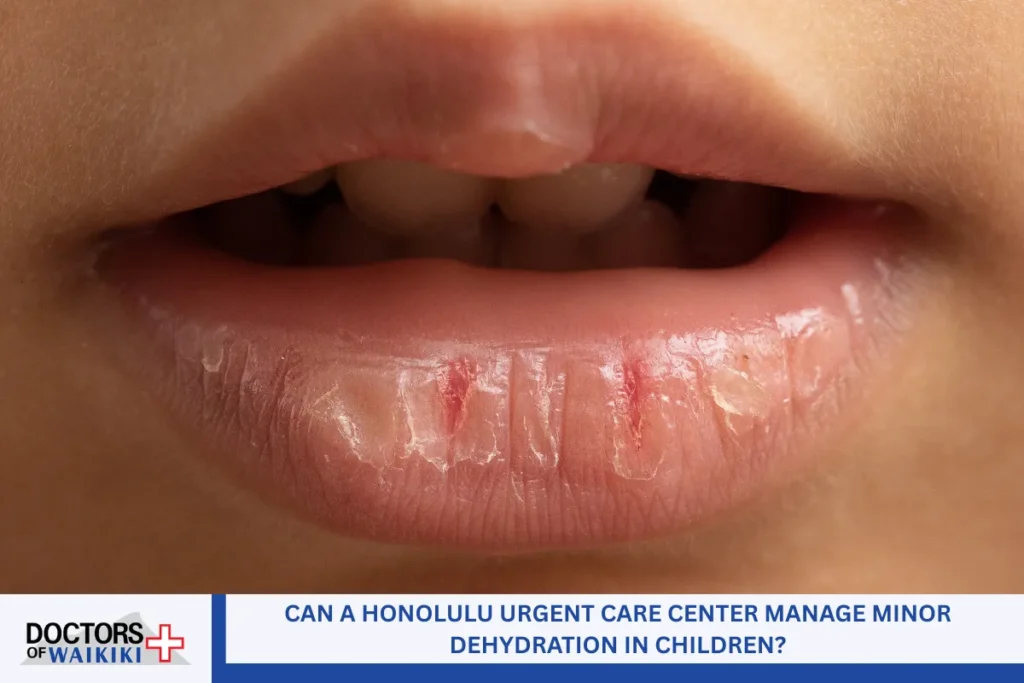
Dehydration is a concern when children refuse fluids due to congestion or fatigue. Warning signs include dry lips, crying without tears, fewer wet diapers, dark urine, and unusual sleepiness. Infants may have a sunken soft spot on their head. If dehydration is suspected, seek urgent care services promptly. Mild dehydration can often be treated with oral fluids, while more serious cases may require medical intervention. Monitoring fluid intake is essential during any respiratory illness.
4. Is RSV seasonal in Hawaii like it is on the mainland?
While mainland outbreaks typically peak in fall and winter, Hawaii can experience RSV activity at different times due to its tropical climate and steady travel patterns. Cases may rise during certain months but can occur year-round. Because patterns vary, it is important to stay alert for symptoms regardless of season. If your child develops persistent cough or breathing changes, visiting a walk-in clinic allows early evaluation and reduces the risk of complications.
5. Can adults receive RSV vaccines?
RSV vaccines have recently become available for certain high-risk adult populations, particularly adults aged 60 and older. Eligibility may depend on underlying health conditions and risk factors. Discuss vaccination options with a healthcare provider to determine if you qualify. Vaccination does not treat active illness but may reduce the severity of future infections. If you are unsure whether your symptoms are RSV or another respiratory virus, an urgent care center can assess and advise on next steps.
Disclaimer: This article is for informational purposes only and does not replace professional medical advice, diagnosis, or treatment. If you are experiencing a medical emergency, call 911 or seek immediate emergency care. Always consult a licensed healthcare provider regarding personal medical concerns.
Read Does a Honolulu Urgent Care Center Handle Sports Injuries for Teens?