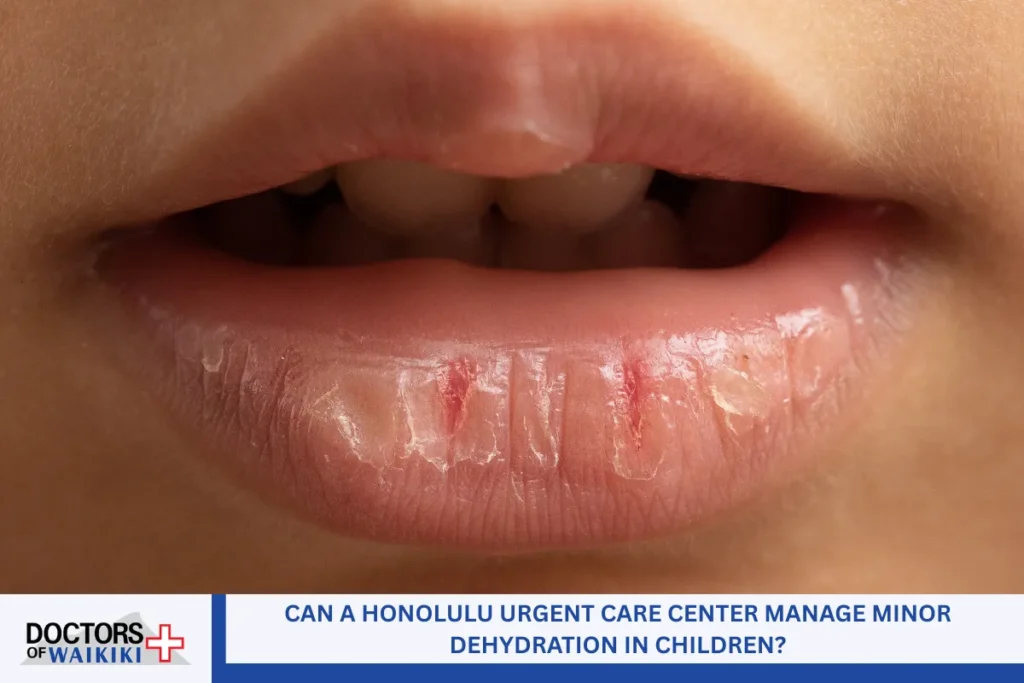
Honolulu Urgent Care Center visits are common when parents notice signs of dehydration in their children and feel unsure about what to do next. A child who is unusually tired, not drinking fluids, or showing dry lips and fewer wet diapers can quickly turn a normal day into a stressful one. Waiting too long can worsen symptoms, but rushing to an emergency room may not always be necessary. The good news is that many cases of mild dehydration can be safely evaluated and treated at an urgent care center. With timely assessment and appropriate urgent care services, parents can get answers, treatment, and peace of mind without unnecessary delays.
Why Dehydration in Children Happens More Often Than You Think
Children are more vulnerable to dehydration than adults. Their bodies contain a higher percentage of water, and they lose fluids more quickly through fever, vomiting, diarrhea, and even sweating in Hawaii’s warm climate.
Common causes include:
- Stomach viruses
- Flu or respiratory infections
- High fever
- Reduced fluid intake
- Prolonged sun exposure
- Excessive physical activity
- Food poisoning
In Honolulu, outdoor activities are a daily part of life. Beaches, sports, and family outings increase fluid loss, especially in infants and toddlers who cannot clearly express thirst.
Minor dehydration develops when fluid loss slightly exceeds intake. If addressed early, it is usually manageable without hospitalization. The key is recognizing the signs and knowing where to seek care.
Recognizing the Early Warning Signs
Understanding symptoms helps determine whether a walk-in clinic is appropriate or if emergency care is needed.
Mild Dehydration Symptoms
- Dry mouth and lips
- Thirst
- Fewer wet diapers (infants)
- Dark yellow urine
- Slight fatigue
- Mild headache
- Irritability
Moderate to Severe Warning Signs
- No urination for 8 hours or more
- Very dry skin
- Sunken eyes
- Lethargy
- Rapid heartbeat
- Rapid breathing
- Confusion
- Crying without tears
If a child shows severe symptoms, immediate emergency care is required. However, when symptoms are mild and the child is alert and responsive, an urgent care doctor can typically evaluate and treat the condition effectively.
How an Urgent Care Center Evaluates Dehydration
An urgent care center provides medical assessment without the long waits often associated with hospital emergency departments. When a child arrives with suspected dehydration, the urgent care doctor will perform a thorough evaluation.
Medical History Review
The provider will ask about:
- Duration of vomiting or diarrhea
- Fluid intake
- Urination frequency
- Fever history
- Recent travel
- Exposure to illness
This information helps determine severity and possible underlying causes.
Physical Examination
Assessment may include:
- Checking vital signs (heart rate, temperature, blood pressure)
- Evaluating skin elasticity
- Inspecting the mouth and tongue
- Assessing alertness and activity level
- Monitoring capillary refill time
These clinical indicators help classify dehydration as mild, moderate, or severe.
Diagnostic Testing
In most mild cases, lab tests are not required. However, if symptoms are prolonged or concerning, the urgent care services may include:
- Basic blood work
- Electrolyte evaluation
- Urinalysis
Testing ensures sodium, potassium, and other electrolyte levels remain balanced.
Treatment Options Available at a Honolulu Walk-In Clinic
Many parents are surprised to learn that a walk-in clinic can provide effective dehydration treatment.
Oral Rehydration Therapy
For mild cases, the primary treatment is oral rehydration therapy (ORT). This includes:
- Oral rehydration solutions containing electrolytes
- Small, frequent sips
- Monitoring for tolerance
Electrolyte solutions are preferred over plain water because they replace lost sodium and potassium.
Anti-Nausea Medication
If vomiting prevents fluid retention, the urgent care doctor may prescribe or administer anti-nausea medication. Once vomiting is controlled, fluids are reintroduced slowly.
Intravenous (IV) Fluids
Some urgent care centers can provide IV fluids for moderate dehydration when oral intake fails. IV hydration is often faster and more effective in restoring balance.
However, if a child requires extensive monitoring or shows signs of severe dehydration, transfer to a hospital may be necessary.
When Emergency Care Is the Better Option
While urgent care services are appropriate for many mild cases, certain symptoms require immediate hospital evaluation.
Seek emergency care if your child:
- Cannot stay awake
- Has seizures
- Shows signs of shock
- Has persistent, severe vomiting
- Has blood in vomit or stool
- Is an infant under 3 months with significant symptoms
Emergency departments provide advanced interventions and continuous monitoring not available in most urgent care center settings.
Read Honolulu Urgent Care Center: Treating Croup and RSV Symptoms
Hawaii’s Climate and Dehydration Risk
Honolulu’s tropical climate increases dehydration risk. Warm temperatures and high humidity cause fluid loss even without obvious sweating.
Children participating in:
- Beach activities
- Hiking
- School sports
- Outdoor camps
should be encouraged to drink fluids consistently. Even mild sunburn can increase dehydration risk due to fluid shifts in the body.
An urgent care doctor frequently sees pediatric dehydration cases linked to prolonged outdoor exposure without adequate hydration.
The Role of Electrolytes in Pediatric Hydration
Water alone is not always sufficient during illness. When children experience vomiting or diarrhea, they lose:
- Sodium
- Potassium
- Chloride
- Bicarbonate
These electrolytes regulate muscle function, heart rhythm, and nerve signaling. An imbalance can lead to complications if untreated.
Oral rehydration solutions are specifically formulated to restore this balance safely. Sports drinks are not ideal substitutes because they may contain excessive sugar.
What Happens During an Urgent Care Visit
Parents often ask what to expect when bringing a child to an urgent care center.
Typical visit steps include:
- Check-in and registration
- Triage assessment
- Medical evaluation
- Treatment plan discussion
- On-site treatment if needed
- Discharge instructions
Visits are typically shorter than emergency room visits, making a walk-in clinic a practical option for busy families.
Preventing Dehydration Before It Starts
Prevention is always better than treatment. Families in Honolulu can reduce dehydration risk with simple strategies.
Daily Hydration Habits
- Encourage regular water breaks
- Offer fluids before children ask
- Increase fluids during illness
- Provide electrolyte solutions during fever
During Outdoor Activities
- Take shaded breaks
- Dress children in lightweight clothing
- Schedule activities outside peak sun hours
- Offer fluids every 20 minutes during sports
During Illness
- Use oral rehydration solutions
- Avoid sugary drinks
- Monitor urine output
- Seek urgent care services early if symptoms persist
Early intervention prevents minor dehydration from escalating.
Special Considerations for Infants and Toddlers
Infants are particularly vulnerable. Because they rely entirely on caregivers for fluids, early signs may be subtle.
Warning signs in infants include:
- Sunken soft spot (fontanelle)
- Fewer than six wet diapers per day
- Excessive sleepiness
- Weak cry
Breastfed infants may need more frequent feedings during illness. Formula-fed infants may require guidance from an urgent care doctor if vomiting or diarrhea occurs.
How Urgent Care Supports Parents
An urgent care center provides reassurance along with medical care. Parents receive:
- Clear diagnosis
- Hydration guidance
- Medication instructions
- Return precautions
- Follow-up recommendations
This education empowers caregivers to monitor recovery at home confidently.
In Honolulu, urgent care services often serve as a bridge between primary care and emergency medicine. They offer timely evaluation without overwhelming hospital systems.
Legal and Regulatory Considerations in Hawaii
Urgent care centers in Honolulu operate under Hawaii state healthcare regulations and must be staffed by licensed medical professionals. Facilities providing IV therapy and diagnostic services must comply with state licensing requirements.
If a condition exceeds the center’s capability, providers are required to refer or transfer patients to a hospital for appropriate care. This ensures patient safety remains the priority.
Parents can feel confident that an urgent care doctor practices within established clinical guidelines for pediatric dehydration management.
Final Thoughts on Managing Minor Dehydration in Children
Minor dehydration in children is common, especially in warm climates like Honolulu. The reassuring news is that a walk-in clinic can effectively evaluate and treat mild cases before they worsen. With access to oral rehydration therapy, anti-nausea medication, and sometimes IV fluids, an urgent care center plays a valuable role in pediatric care.
Recognizing early symptoms and acting quickly makes all the difference. When in doubt, seeking urgent care services can provide clarity and timely treatment. Knowing when to choose urgent care versus emergency care empowers parents to make safe, informed decisions for their children.
Honolulu Urgent Care Center – Doctors of Waikiki
At Doctors of Waikiki, we understand how concerning it is when your child shows signs of dehydration. As a trusted urgent care center in Honolulu, Hawaii, we provide prompt evaluation and treatment for mild to moderate dehydration and other pediatric concerns. Our experienced urgent care doctor carefully assesses symptoms and offers appropriate urgent care services, including oral rehydration guidance and IV fluids when necessary.
We welcome walk-ins and provide convenient access to care when you need it most. If your child is not feeling well, call us at (808) 922-2112 or fill out our contact form today. Our team at Doctors of Waikiki is here to deliver fast, compassionate medical care for your family.
Frequently Asked Questions
1. How long does it take for a child to recover from mild dehydration?
Recovery from mild dehydration often occurs within 24 to 48 hours when fluids are replaced appropriately. Improvement depends on the underlying cause, such as a viral illness or heat exposure. Children who tolerate oral rehydration solutions and maintain urine output typically recover quickly. Parents should continue offering small, frequent fluids even after symptoms improve. Appetite may return gradually. If fatigue, persistent vomiting, or reduced urination continues beyond two days, further medical evaluation is recommended to rule out electrolyte imbalance or infection.
2. Can dehydration cause a fever in children?
Dehydration itself does not directly cause fever. However, illnesses that trigger fever, such as viral infections or gastrointestinal conditions, can lead to dehydration due to fluid loss and decreased intake. Fever increases fluid requirements because body temperature elevation accelerates water loss. Managing fever with appropriate medication and encouraging fluid intake can prevent dehydration from developing. If a child has both fever and signs of dehydration, seeking medical evaluation ensures proper treatment of the underlying illness.
3. Is coconut water safe for rehydrating children?
Coconut water contains natural electrolytes and may help with mild hydration in older children. However, it does not have the precise electrolyte balance found in medical oral rehydration solutions. It may also contain natural sugars that could worsen diarrhea in some cases. For infants and younger children, pediatric electrolyte solutions are safer and specifically formulated for dehydration. Parents should consult a healthcare provider before substituting coconut water for medically recommended hydration therapy.
4. How much fluid should a child drink daily in Honolulu’s climate?
Daily fluid needs vary by age, weight, and activity level. In general, toddlers may need about 4 cups of fluids daily, while older children require 5 to 8 cups. In Honolulu’s warm climate, additional fluids are necessary during outdoor play, sports, or illness. Children who sweat heavily or spend extended time outdoors should drink fluids before, during, and after activity. Urine color is a helpful indicator; pale yellow usually signals adequate hydration.
5. Can repeated dehydration episodes cause long-term harm?
Occasional mild dehydration that is treated promptly rarely causes long-term problems. However, repeated episodes without proper management can stress the kidneys and affect electrolyte balance. Chronic dehydration may also contribute to urinary tract infections or kidney stones over time. Ensuring adequate daily fluid intake and addressing illnesses quickly helps protect long-term health. Parents should monitor patterns and consult a healthcare provider if dehydration becomes frequent.
Disclaimer: This article is for informational purposes only and does not replace professional medical advice. If your child is experiencing severe symptoms, seek emergency medical care immediately. Always consult a licensed healthcare provider for diagnosis and treatment specific to your child’s condition.
Read Can a Honolulu Urgent Care Center Evaluate Ear Infections in Toddlers?