When Nerve Pain Disrupts Everyday Living
Pain management becomes essential when nerve-related discomfort begins to interfere with your daily life, sleep, and overall well-being. Neuropathic pain is not like a typical injury—it stems from nerve damage or dysfunction, often leading to burning, tingling, or stabbing sensations. Many patients struggle to find answers, bouncing between providers without lasting relief. That frustration can grow into anxiety, limited mobility, and reduced quality of life. The good news is that modern approaches offered by a pain management physician provide targeted solutions. By combining advanced diagnostics with tailored treatments, a pain doctor can identify the root cause and guide you toward meaningful, long-term relief.
What Makes Neuropathic Pain Different from Other Pain Types
Neuropathic pain originates in the nervous system, unlike nociceptive pain caused by tissue injury. It often affects how the brain interprets signals from the body. This can result in sensations that feel disproportionate to the trigger or persist long after an injury has healed.
Chronic pain conditions can include chronic back pain, neck pain, joint pain, sciatica, and migraines. In contrast, neuropathic pain is often linked to nerve compression, diabetes-related nerve damage, or post-injury complications.
Acute pain can arise from sudden injuries, post-surgical discomfort, and work-related injuries. However, when pain lingers and involves nerve dysfunction, specialized care from a pain management doctor becomes necessary.
Common Causes of Neuropathic Pain
- Diabetes-related nerve damage
- Spinal cord or brain injuries
- Herniated discs affecting nerve roots
- Infections impacting nerve tissue
- Complex regional pain syndrome
Conditions such as fibromyalgia, neuropathic pain, and arthritis pain are commonly treated in pain management clinics.
Recognizing Symptoms That Shouldn’t Be Ignored

Neuropathic pain often presents with distinct warning signs:
- Burning or electric shock sensations
- Tingling or “pins and needles” feeling
- Hypersensitivity to touch
- Muscle weakness or reduced coordination
- Persistent discomfort even without visible injury
When these symptoms interfere with your daily life, visiting a pain control clinic or even an urgent care or walk-in clinic can help you begin evaluation and receive timely care.
How Specialists Diagnose Nerve-Related Pain
Pain management specialists often have advanced training in fields such as physical medicine and rehabilitation, anesthesiology, or neurology, which equips them to address complex pain conditions.
A thorough diagnosis may include:
- Physical examination of reflexes and strength
- Imaging studies such as MRI or CT scans
- Nerve conduction studies
- Review of medical history and lifestyle factors
Pain management specialists are trained to create personalized treatment plans based on a thorough assessment of each patient’s medical history, symptoms, and lifestyle, ensuring tailored care for effective pain relief.
Comprehensive Care Strategies for Lasting Relief
A multimodal approach to pain management is commonly used by specialists, integrating various treatment modalities such as physical therapy, medication, and psychological support to address pain comprehensively.
A multimodal approach to pain management combines psychological, physical, and pharmacological strategies to address different types of pain.
Medication-Based Therapies
Medications play a key role in controlling nerve pain:
- Anticonvulsants stabilize hyperexcitable nerve cells by binding to calcium channels, which decreases the transmission of pain signals.
- Specific types of antidepressants like SNRIs and TCAs help rebalance neurotransmitters in the spinal cord, enhancing the body’s natural ability to inhibit pain.
- Topical agents like lidocaine patches or capsaicin creams block sodium channels or desensitize pain receptors directly at the skin surface.
These options are carefully prescribed by a pain management physician to avoid unnecessary reliance on opioids and ensure safety.
Interventional Pain Procedures
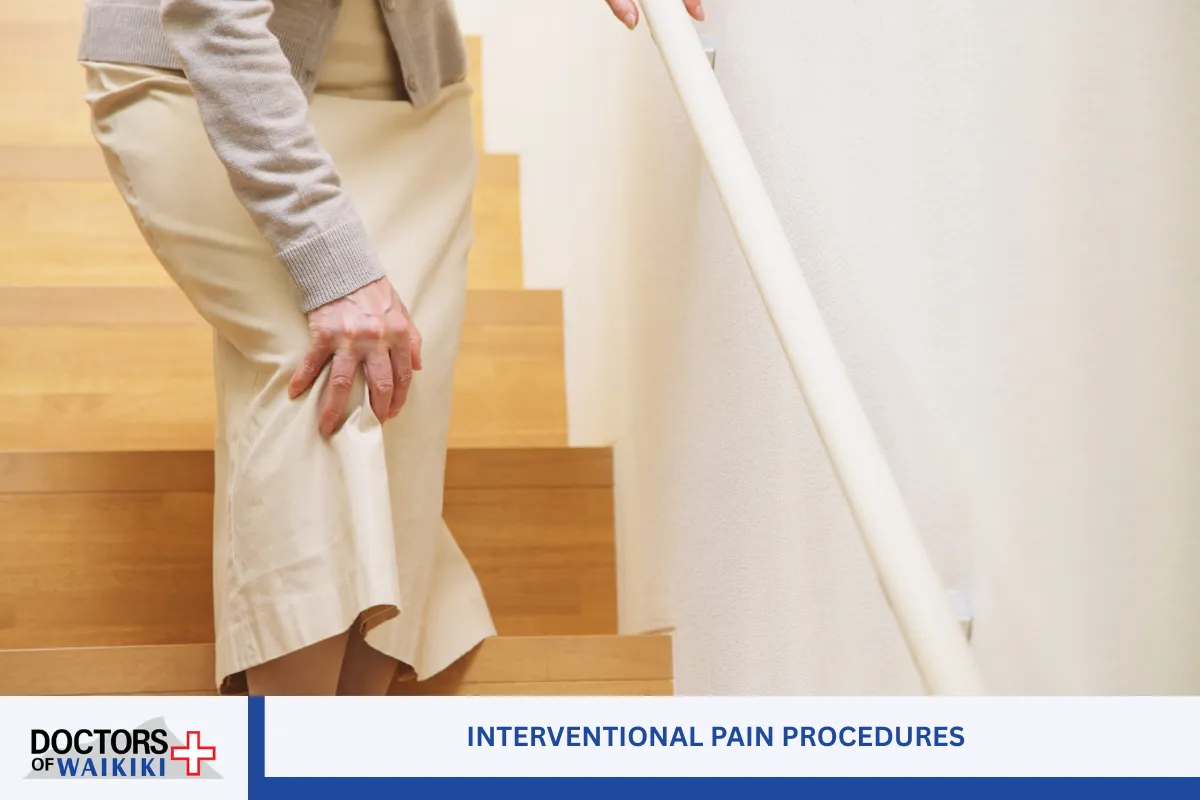
Advanced procedures available at a pain center provide targeted relief:
- Nerve blocks involve injecting local anesthetics or steroids directly near a specific nerve or group of nerves to temporarily shut off pain pathways.
- Epidural steroid injections target inflammation around spinal nerve roots and are often used for neuropathy caused by spinal issues.
- Radiofrequency Ablation (RFA) uses thermal energy to damage a small section of a nerve, interrupting its ability to carry pain signals to the brain.
- Spinal Cord Stimulation (SCS) sends low-voltage electrical impulses to the spine to jam pain signals before they reach the brain.
- Peripheral Nerve Stimulation involves placing electrodes along a specific peripheral nerve to modulate its activity.
These techniques are commonly performed in regulated medical settings in Hawaii, ensuring patient safety and compliance with healthcare standards.
Regenerative and Innovative Therapies
Regenerative medicine treatments, like PRP and stem cell therapy, aim to repair injured nerve fibers.
Platelet-Rich Plasma (PRP) therapy uses the patient’s own blood to promote healing and regeneration, and is often used in pain management for chronic pain and soft tissue injuries.
Low-level laser therapy (LLLT) uses light energy to penetrate tissues, aiming to reduce inflammation and promote healing in damaged nerves.
These advanced therapies are increasingly offered by pain doctors seeking long-term healing rather than temporary relief.
Read Sciatica Pain Management in Honolulu: 5 Proven Ways to Find Relief
The Role of Physical and Holistic Care
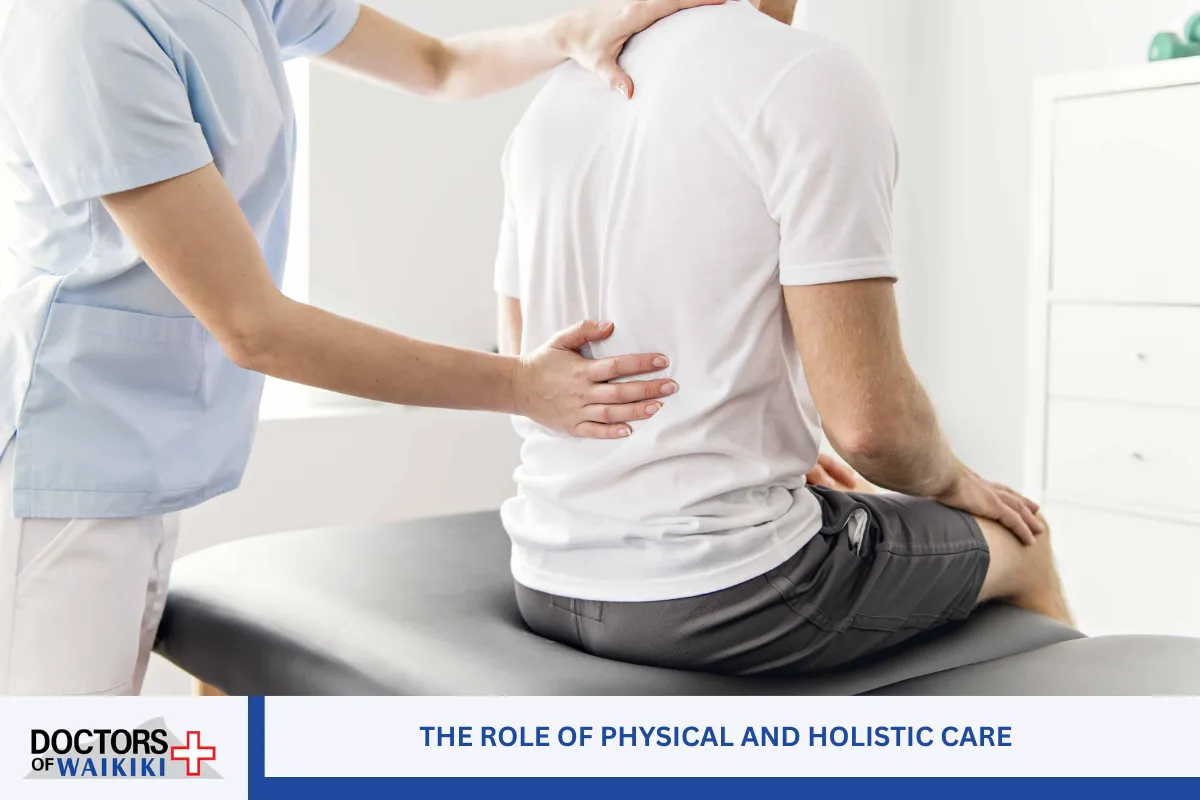
Physical and occupational therapy focus on functional independence and restoring mobility. These therapies help patients regain strength, improve posture, and reduce strain on affected nerves.
Holistic pain management emphasizes treating the root cause of pain rather than just the symptoms, aiming to improve overall quality of life.
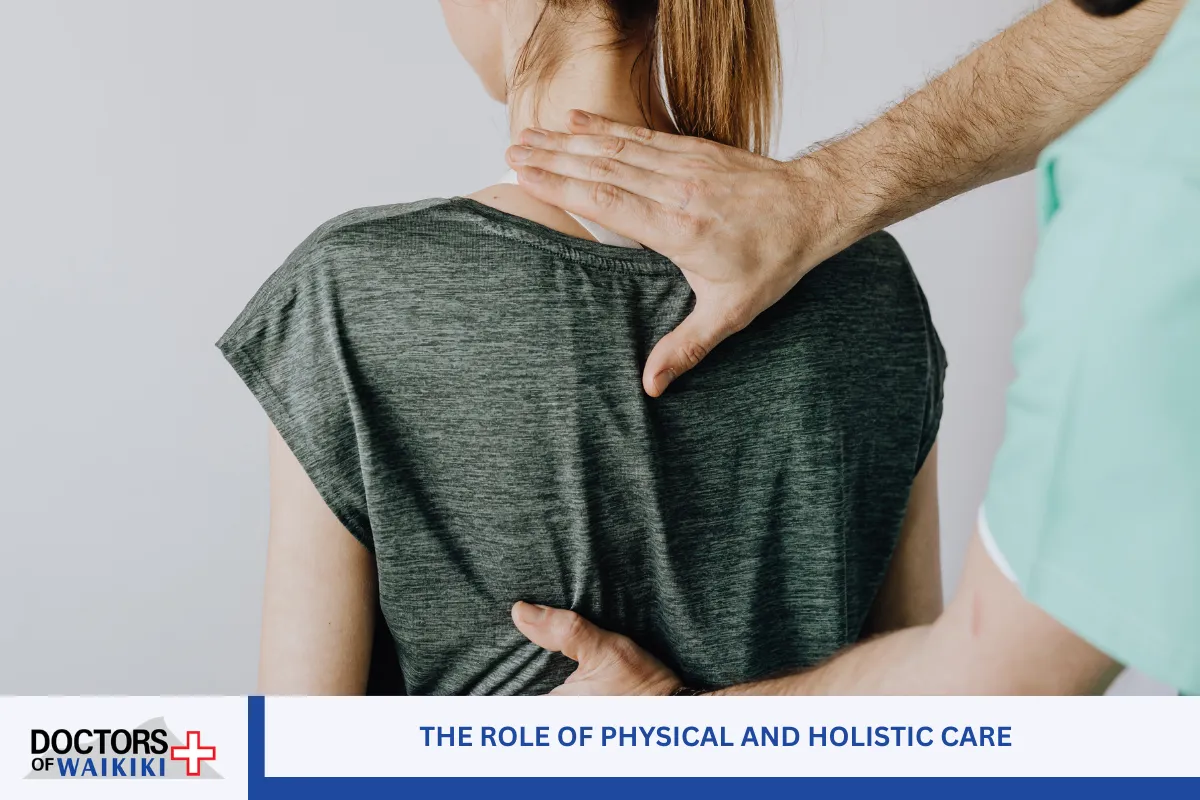
Holistic approaches to pain management may include therapies such as acupuncture, chiropractic care, and behavioral modifications, alongside traditional medical treatments.
Behavioral services, including psychotherapy and stress management, assist patients in coping with the emotional impact of chronic pain.
Lifestyle and nutrition adjustments can help manage underlying causes of chronic pain, such as diabetes.
Why Early Treatment Matters
Delaying treatment can worsen nerve damage and make recovery more challenging. Early intervention at a pain control clinic allows providers to slow progression, reduce symptoms, and prevent complications.
Patients who seek care early often experience:
- Improved mobility and function
- Reduced reliance on medications
- Better long-term outcomes
- Enhanced quality of life
Pain management treatments may include physical therapy, injection therapy, and non-opioid pain management options tailored to individual patient needs.
When to Visit a Pain Specialist or Urgent Care
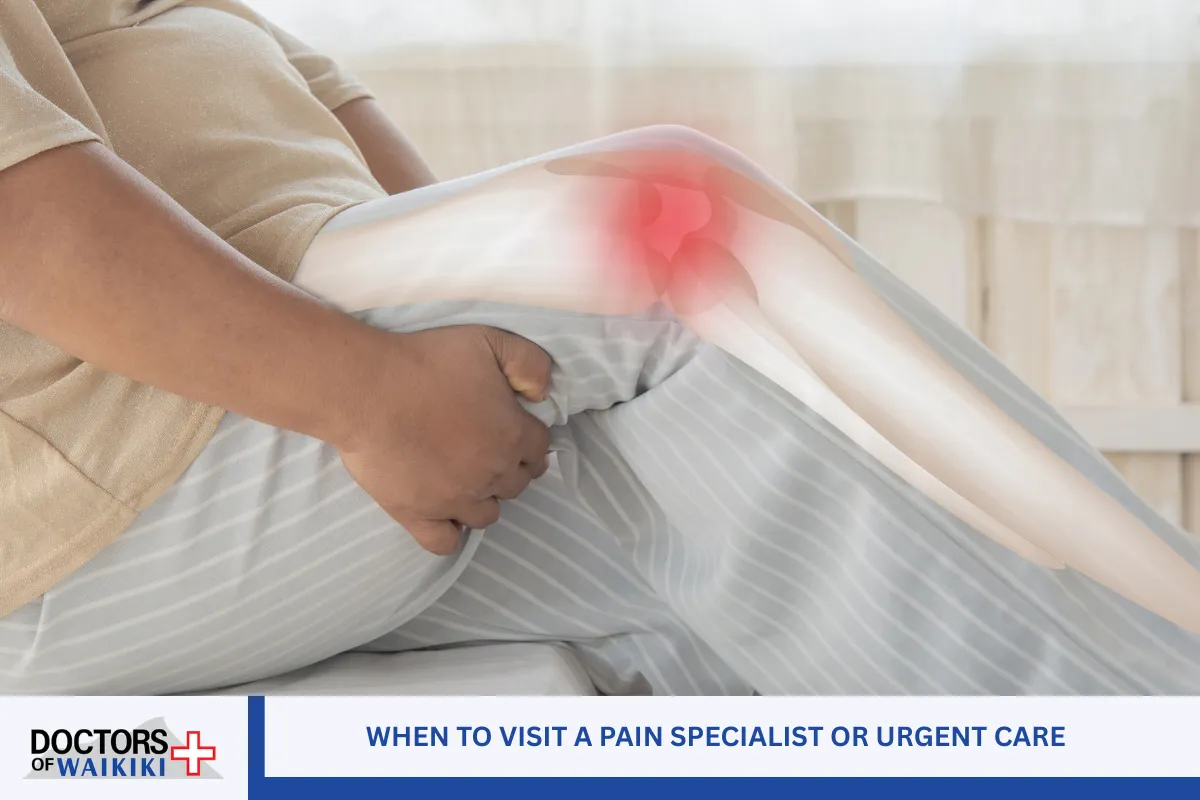
If your symptoms suddenly worsen or become severe, visiting an urgent care or walk-in clinic can provide immediate evaluation. These facilities can stabilize symptoms and refer you to a pain management physician for specialized care.
You should consider professional care if:
- Pain persists for more than a few weeks
- Symptoms interfere with work or sleep
- Over-the-counter medications no longer help
- You experience numbness or weakness
Living Better with the Right Support System
Neuropathic pain can affect every part of your life—from physical movement to emotional well-being. With proper care, patients can regain control and return to activities they enjoy.
Working with a knowledgeable pain doctor ensures that treatment evolves with your progress. Regular follow-ups, adjustments in therapy, and a supportive care team all contribute to better outcomes.
By combining modern medicine with patient-centered care, individuals can experience real improvements—not just temporary relief, but meaningful, lasting change.
Pain Management in Honolulu, HI – Doctors of Waikiki
At Doctors of Waikiki, we provide advanced pain management solutions tailored to help you regain control of your life. Our team focuses on innovative treatments like PRP injections and shockwave therapy to address neuropathic pain and chronic conditions at the source. We understand how pain affects your daily routine, and we are committed to delivering compassionate, effective care in a convenient Honolulu location. Whether you’re dealing with nerve pain, sports injuries, or ongoing discomfort, we’re here to help. Call us at (808) 922-2112, visit our clinic, or fill out our contact form today to schedule your consultation and start your path toward lasting relief.
Frequently Asked Questions
What lifestyle changes can help reduce neuropathic pain symptoms?
Lifestyle changes play a crucial role in managing nerve pain alongside medical treatments. Regular low-impact exercise improves circulation and nerve health, while a balanced diet helps control conditions like diabetes that may contribute to neuropathy. Stress management techniques such as meditation or breathing exercises can reduce pain sensitivity. Maintaining a consistent sleep schedule also supports nerve repair. Patients should avoid smoking and excessive alcohol use, as both can worsen nerve damage. Consulting a pain management physician ensures these lifestyle adjustments are aligned with your overall treatment plan for better long-term results.
Is neuropathic pain permanent or reversible?
Neuropathic pain is not always permanent, but recovery depends on the underlying cause and how early treatment begins. Some cases, such as nerve compression or injury, may improve with proper medical intervention and therapy. Others, like diabetic neuropathy, may require ongoing management to prevent progression. Advances in pain medicine, including regenerative therapies and interventional procedures, have significantly improved outcomes. A pain management doctor can evaluate your condition and determine whether your symptoms are reversible or require long-term care strategies to maintain comfort and function.
How does stress affect nerve pain?
Stress has a significant impact on how the body processes pain signals. It can heighten sensitivity in the nervous system, making neuropathic pain feel more intense. Chronic stress also triggers inflammation and muscle tension, which may worsen symptoms. Over time, this can create a cycle where pain increases stress, and stress amplifies pain. Behavioral therapies and relaxation techniques are often included in treatment plans at a pain control clinic to help patients manage both physical and emotional aspects of their condition effectively.
Are there non-medication options for managing neuropathic pain?
Yes, many patients benefit from non-medication approaches. Physical therapy, acupuncture, and shockwave therapy can improve nerve function and reduce discomfort. Cognitive behavioral therapy helps patients cope with pain mentally and emotionally. Regenerative treatments like PRP therapy aim to repair damaged tissues naturally. These options are often combined with medical care to provide a well-rounded treatment plan. A pain doctor can recommend the most suitable combination based on your specific condition and goals for recovery.
What should I expect during my first visit to a pain management clinic?
Your first visit typically involves a comprehensive evaluation. The physician will review your medical history, discuss your symptoms, and perform a physical examination. Diagnostic tests may be recommended to identify the source of your pain. You will also discuss treatment goals and potential options, which may include therapy, medications, or interventional procedures. The focus is on creating a personalized plan that aligns with your lifestyle and needs. This initial consultation sets the foundation for effective and long-term pain relief.
Important Note Before Starting Treatment: This article is for informational purposes only and does not replace professional medical advice. Always consult a licensed healthcare provider in Honolulu for diagnosis and treatment tailored to your specific condition.
Read Pain Management in Honolulu, HI: What’s Different About Pain Treatment in Children? Parent’s Guide