When Sciatica Disrupts Daily Life in Honolulu
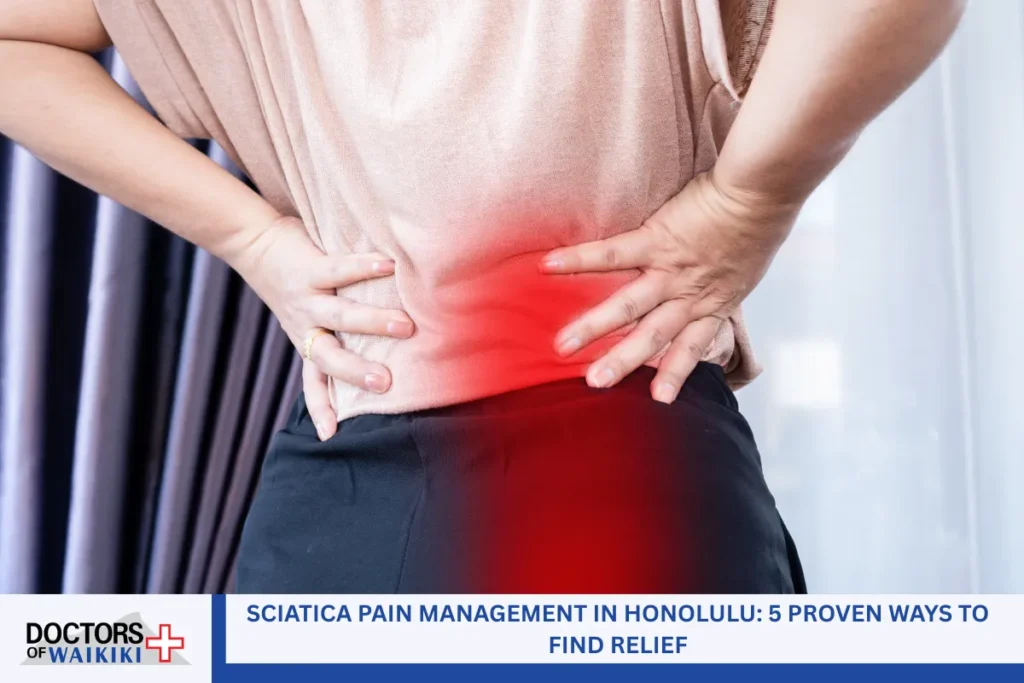
Pain management becomes essential when sciatica begins to interfere with your ability to move, work, and enjoy daily life in Honolulu. What starts as mild discomfort can quickly escalate into intense pain that radiates from the lower back down the leg. This condition often worsens without proper care, limiting mobility and affecting sleep, productivity, and overall well-being. Many people delay treatment, hoping the pain will resolve on its own, only to face chronic symptoms later. The good news is that effective solutions are available. With the right combination of therapies and guidance from a qualified pain management doctor, long-term relief is possible and your quality of life can improve significantly.
Why Sciatica Requires Specialized Attention

Sciatica is not just general back pain. It involves irritation or compression of the sciatic nerve, often linked to conditions affecting the spine such as disc herniation or muscle spasms. Because the symptoms can vary from mild discomfort to extreme pain, proper diagnosing is critical.
Pain management clinics in Honolulu often utilize a multimodal approach, combining physical therapy, medication, and psychological support to address various pain conditions. This ensures patients receive comprehensive care tailored to their condition.
Patients seeking treatment at pain management clinics typically undergo a comprehensive evaluation to create personalized treatment plans tailored to their specific needs. This process helps determine whether conservative therapy, interventional procedures, or advanced treatments are needed.
A qualified pain management physician focuses on identifying the root cause rather than masking symptoms. This approach aligns with Hawaii healthcare regulations, which emphasize patient safety, proper prescribing practices, and minimizing unnecessary procedures.
The Real Impact of Sciatica on Your Body
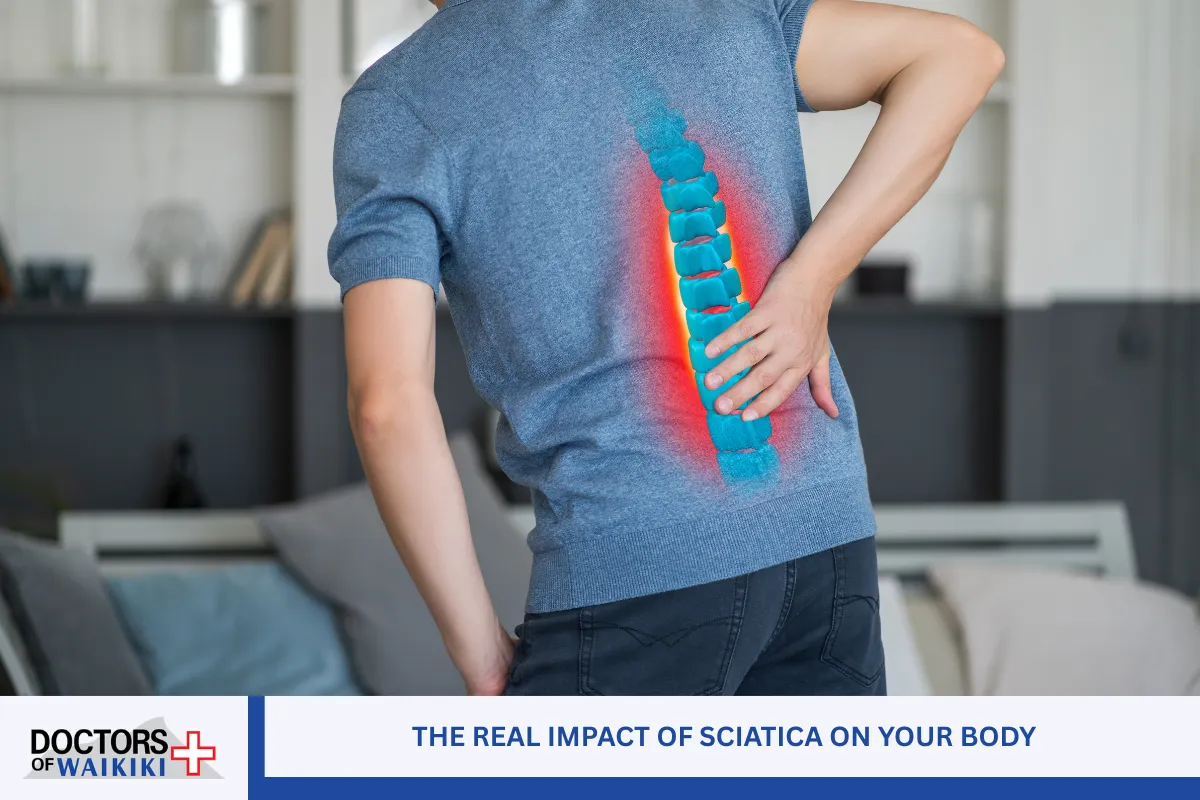
Sciatica can affect more than just your back. It often disrupts the entire body’s function, including mobility and posture.
Common Symptoms You Shouldn’t Ignore
- Sharp or burning pain along the leg
- Numbness or tingling sensations
- Muscle weakness
- Difficulty standing or walking
- Pain that worsens after prolonged sitting
Chronic pain conditions like this can also influence mental health, leading to anxiety and reduced quality of life.
5 Proven Ways to Manage Sciatica Pain Effectively
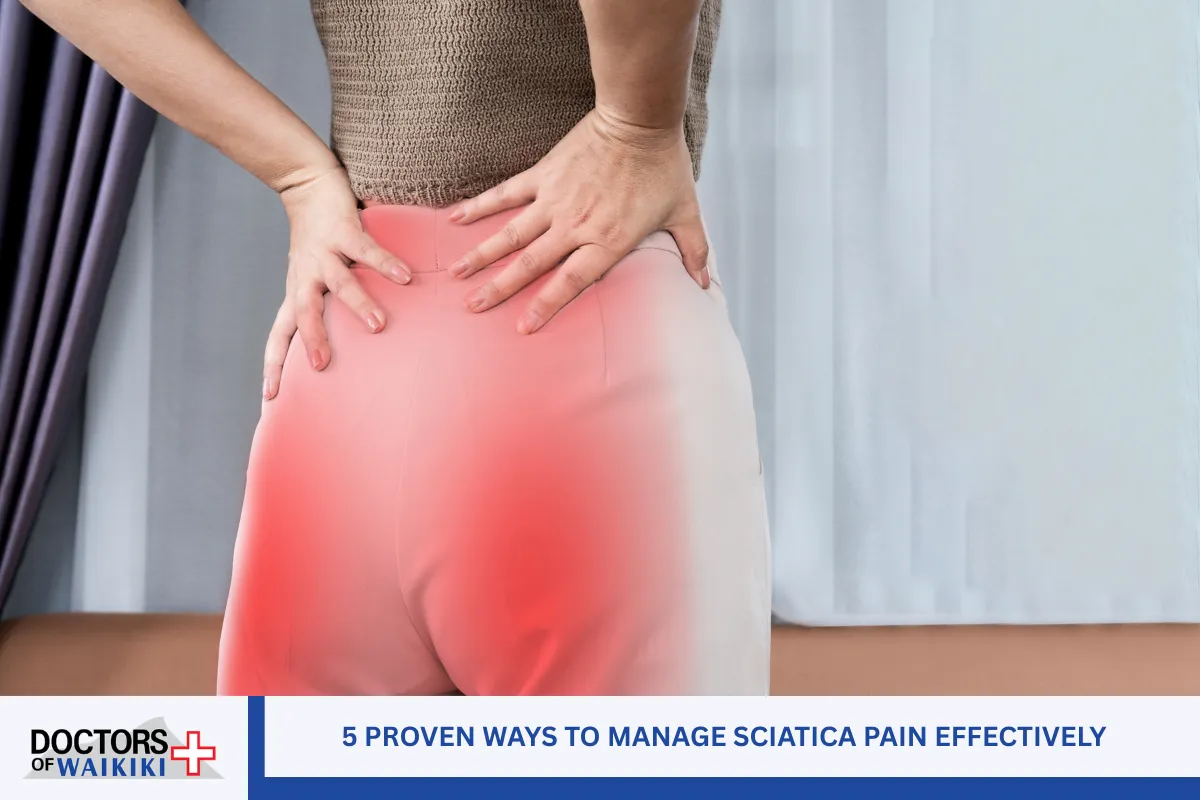
1. Movement-Based Therapy and Rehabilitation
Physical therapy is often recommended for sciatica pain management, focusing on exercises that improve flexibility and strengthen the muscles supporting the spine. This approach is essential in restoring function and reducing pressure on the sciatic nerve.
Physical therapy is a common treatment for chronic pain, focusing on rehabilitation and improving mobility through tailored exercise programs.
Targeted mobility exercises and decompression therapy can provide relief for patients with back pain. These techniques improve spinal alignment and reduce nerve compression.
Regular low-impact activity, like walking or swimming, supports spine health. Many specialists also recommend aquatic therapy, especially for patients dealing with severe discomfort.
Aquatic and physical therapy can result in significant remission of sciatica symptoms. Over time, these treatments help improve mobility and reduce dependency on medications.
2. Non-Invasive Therapies That Promote Healing
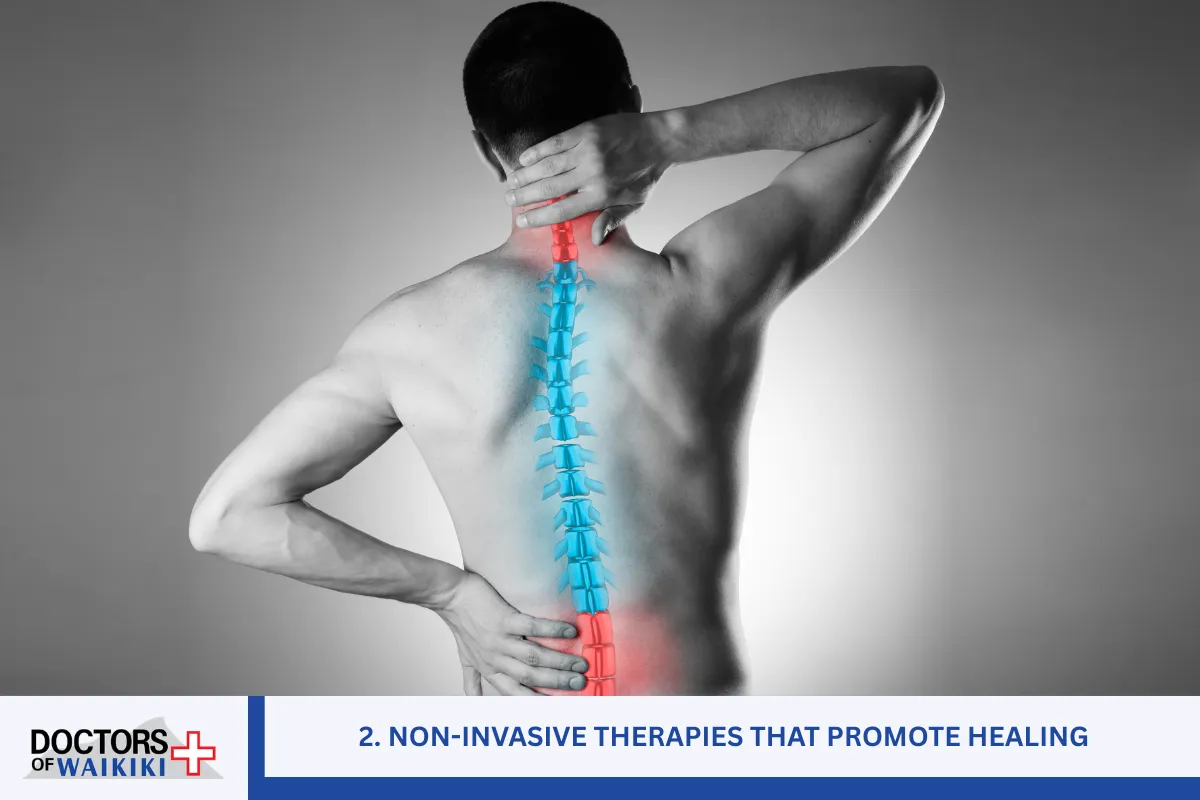
Modern pain control clinics emphasize treatments that do not require surgery. These options are safe, effective, and widely used in Honolulu.
SoftWave Therapy is a non-invasive treatment that stimulates tissue regeneration and reduces inflammation.
Acupuncture is known to release muscular tension that compresses the sciatic nerve. It can be integrated into a broader treatment plan for improved outcomes.
Non-invasive treatments such as acupuncture and chiropractic care can be part of a comprehensive sciatica pain management plan, aiming to reduce pain and improve function.
Non-surgical relief methods such as spinal decompression and laser therapy can treat disc bulges and nerve pain.
Cold therapy and nerve-gliding exercises can help manage acute discomfort between professional therapy sessions.
3. Regenerative Medicine for Long-Term Relief
Advancements in pain medicine now focus on healing rather than just symptom control.
Platelet-Rich Plasma (PRP) therapy is a form of regenerative medicine that promotes natural healing of damaged tissues. This method uses components from your own blood to accelerate recovery.
Regenerative therapies are particularly useful for patients who want to avoid surgery and reduce reliance on medications. These treatments are increasingly offered at specialized pain centers.
4. Interventional Procedures for Severe Cases
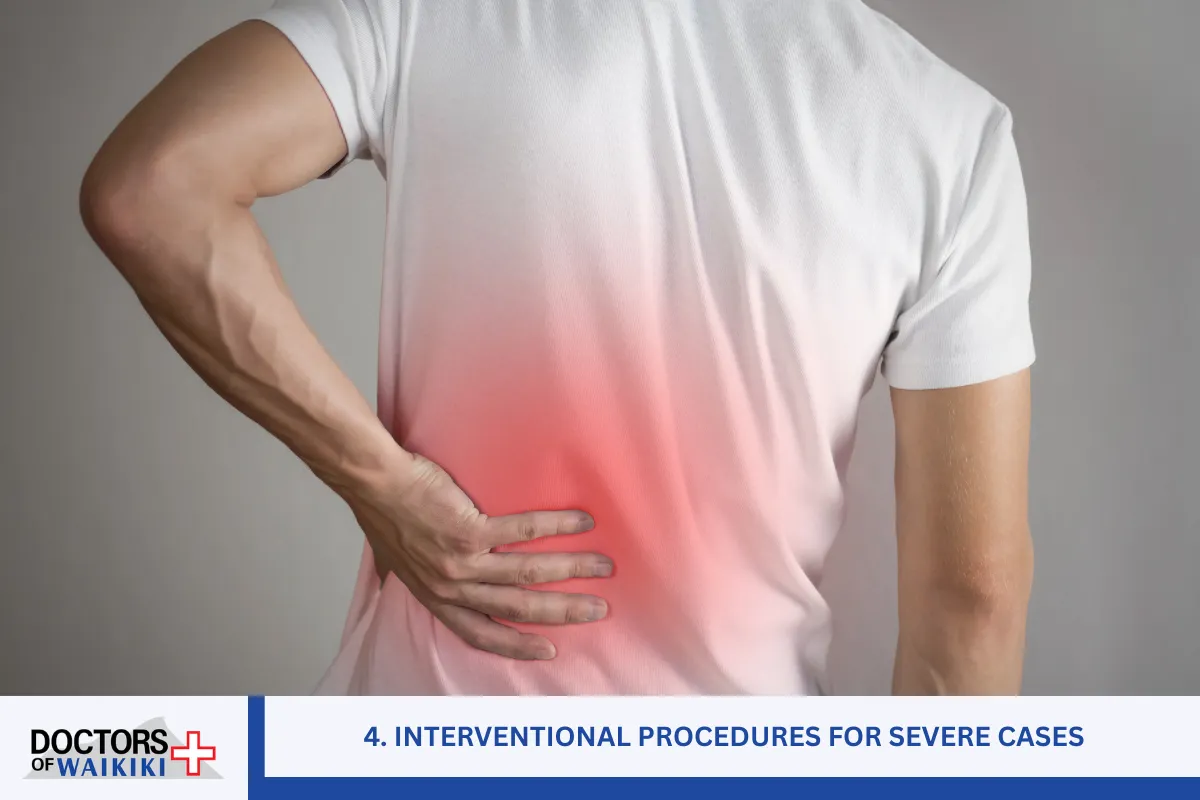
When conservative methods are not enough, interventional treatments may be necessary.
Epidural steroid injections and nerve blocks are common interventions for managing pain in patients with back issues. These procedures reduce inflammation and interrupt pain signals.
Pain management clinics may offer a variety of treatment options, including physical therapy, injection therapies, and non-invasive procedures to help manage pain effectively.
These procedures are typically performed by a pain management doctor with specialized training. In Honolulu, providers follow strict safety protocols and guidelines to ensure patient well-being.
5. Lifestyle Adjustments That Prevent Recurrence
Long-term relief depends on daily habits and preventive care.
Proper lifting techniques and frequent breaks from prolonged sitting are recommended to avoid triggers for sciatic pain.
A multimodal approach to pain management combines physical therapy, occupational therapy, behavioral modifications, and medication to address chronic pain effectively.
Non-opioid pain management options are increasingly emphasized in chronic pain treatment plans to reduce reliance on opioids and minimize side effects.
Maintaining a healthy weight, improving posture, and staying active all contribute to better spinal health and reduced risk of recurrence.
Read Understanding Neuropathic Pain: Treatment Options from Pain Management Clinic in Honolulu
When to Visit a Pain Management Doctor or Clinic
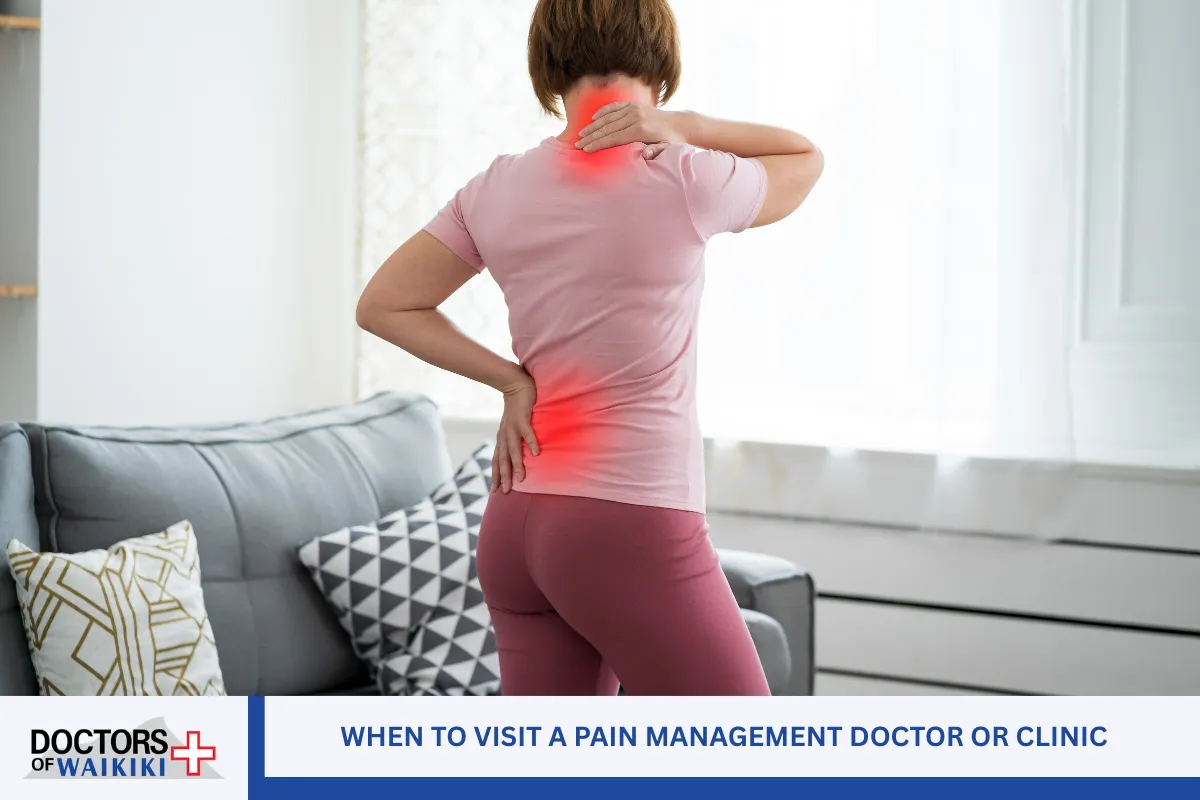
If your symptoms persist beyond a few weeks or worsen, it’s time to seek professional care. A pain management physician can evaluate your condition and recommend appropriate treatments.
You may consider visiting:
- A pain control clinic for specialized care
- An urgent care or walk-in clinic for immediate symptoms
- A pain management doctor for long-term solutions
A multimodal approach to sciatica pain management may include physical therapy, medication, and interventional procedures to address the root causes of pain.
Timely intervention can prevent complications and reduce the likelihood of chronic pain developing.
What to Expect During Your First Visit
Your first visit to a pain management clinic typically involves:
- Medical history review
- Physical examination
- Imaging or diagnostic tests if needed
- Development of a personalized treatment plan
This structured approach ensures that each patient receives care based on their unique condition, improving outcomes and recovery time.
Living Better with Sciatica in Honolulu
Managing sciatica is not just about eliminating pain. It’s about restoring your ability to function and enjoy life again. With access to advanced treatments and experienced specialists in Honolulu, patients have more options than ever before.
Early intervention, combined with the right therapies, can significantly improve your quality of life. Whether you’re dealing with mild discomfort or severe symptoms, professional guidance makes a measurable difference.
Pain Management in Honolulu, HI – Doctors of Waikiki
At Doctors of Waikiki, we provide comprehensive pain management services designed to help you find lasting relief from sciatica and chronic pain. Our team focuses on advanced, non-surgical treatments including platelet rich plasma therapy and shockwave therapy to support natural healing and reduce inflammation. We understand how pain affects your daily life, which is why we create personalized care plans tailored to your needs. As a conveniently located clinic in Honolulu, Hawaii, we make it easy to access expert care without long wait times. Call us today at (808) 922-2112 or fill out our contact form to schedule your visit and take the first step toward lasting relief.
Frequently Asked Questions
What causes sciatica to flare up suddenly?
Sciatica flare-ups are often triggered by sudden movements, poor posture, or prolonged sitting. Activities that strain the lower back, such as improper lifting or twisting, can irritate the sciatic nerve. In some cases, underlying conditions like disc issues or inflammation worsen over time and lead to sudden symptoms. Stress and lack of physical activity may also contribute. Identifying triggers with a pain management physician can help reduce flare-ups and improve long-term outcomes.
Can sciatica go away without medical treatment?
Mild cases of sciatica may improve with rest, stretching, and home care. However, relying solely on self-treatment can delay proper healing if the underlying cause is more serious. Persistent symptoms often require evaluation by a pain management doctor. Early intervention with therapies like physical therapy or non-invasive treatments can prevent the condition from becoming chronic and improve recovery time significantly.
Is it safe to visit urgent care for sciatica pain?
Yes, urgent care or a walk-in clinic can help manage acute sciatica symptoms, especially if the pain becomes severe or limits movement. They may provide initial pain relief and recommend follow-up care. However, for long-term management, it’s best to consult a pain management physician who can create a comprehensive treatment plan tailored to your condition.
How long does it take to recover from sciatica?
Recovery time varies depending on the severity of the condition and the treatment approach. Some patients improve within a few weeks, while others with chronic pain may need several months of therapy. Consistency with treatment, including physical therapy and lifestyle changes, plays a major role in recovery. A structured plan from a pain management clinic can help speed up healing and prevent recurrence.
Are there risks with long-term medication use for sciatica?
Long-term use of certain medications, especially opioids, carries risks such as dependency and side effects. That’s why non-opioid pain management options are increasingly recommended. A pain management doctor will carefully evaluate your condition and prescribe medications only when necessary, often combining them with other therapies to minimize risks and improve overall results.
Disclaimer: This article is for informational purposes only and does not replace professional medical advice. Always consult a qualified healthcare provider in Honolulu for diagnosis and treatment tailored to your specific condition.
Read Pain Management in Honolulu, HI: How is Pain Managed in the Elderly? (5 Safe Approaches)