Why Seniors in Honolulu Turn to Urgent Care for Immediate Help
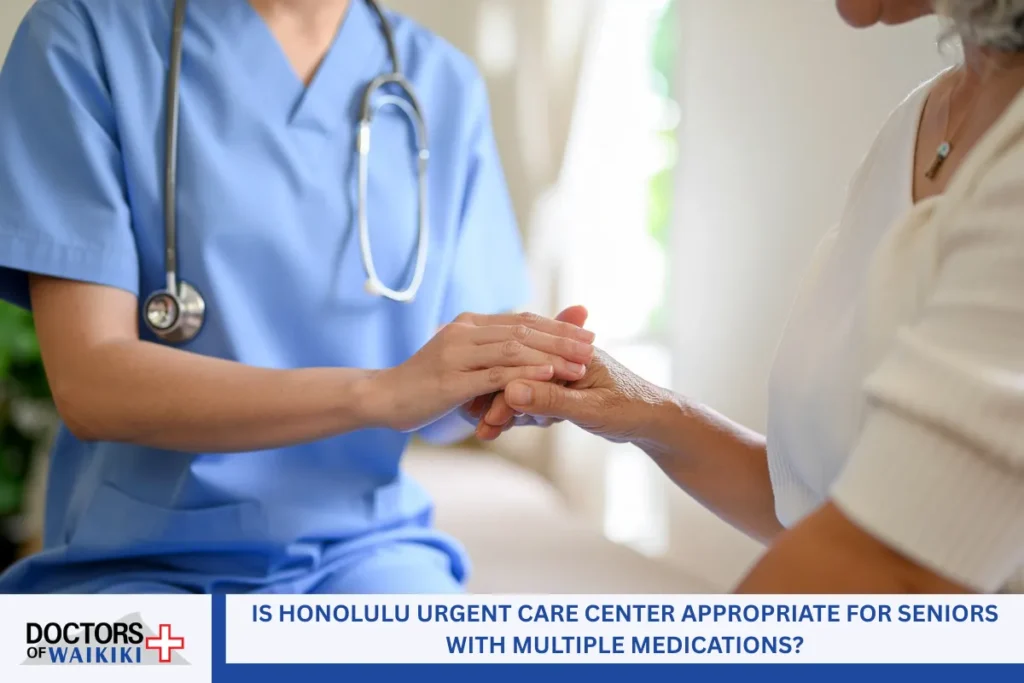
Honolulu urgent care center visits are becoming more common among seniors managing multiple medications, especially when unexpected health concerns arise. The problem is clear: older adults often face sudden illnesses or minor injuries, but navigating medication interactions adds complexity. This can quickly become overwhelming, particularly when regular providers are unavailable. The concern grows when delayed care leads to worsening symptoms or unnecessary emergency room visits. The good news is that urgent care centers provide a practical solution. With accessible services, shorter wait times, and experienced clinicians, these facilities can offer timely medical attention while considering medication safety—helping seniors receive the right care without unnecessary risks.
The Growing Need for Flexible Medical Care for Older Adults

As people age, their healthcare needs become more frequent and more nuanced. Seniors often rely on multiple prescriptions to manage chronic conditions, from heart disease to diabetes. This creates a delicate balance where even minor illnesses can complicate existing treatment plans.
Seniors often take multiple medications, which can lead to complications if not managed properly during urgent care visits. This makes choosing the right healthcare setting critical.
Urgent care centers play a valuable role in filling the gap between primary care and emergency services. They provide fast, convenient treatment for non emergency conditions without the long wait times of a hospital setting.
Common Reasons Seniors Visit a Walk-In Clinic
- Flu symptoms or respiratory infections
- Minor injuries such as sprains or small fractures
- Skin rashes or allergic reactions
- Eye infections like pink eye
- Mild dehydration or fatigue
Patients can access urgent care without an appointment, allowing for immediate treatment of non-life-threatening conditions. This is especially helpful for seniors who need prompt care but want to avoid the complexity of hospital visits.
Medication Management: A Key Concern in Urgent Care Settings
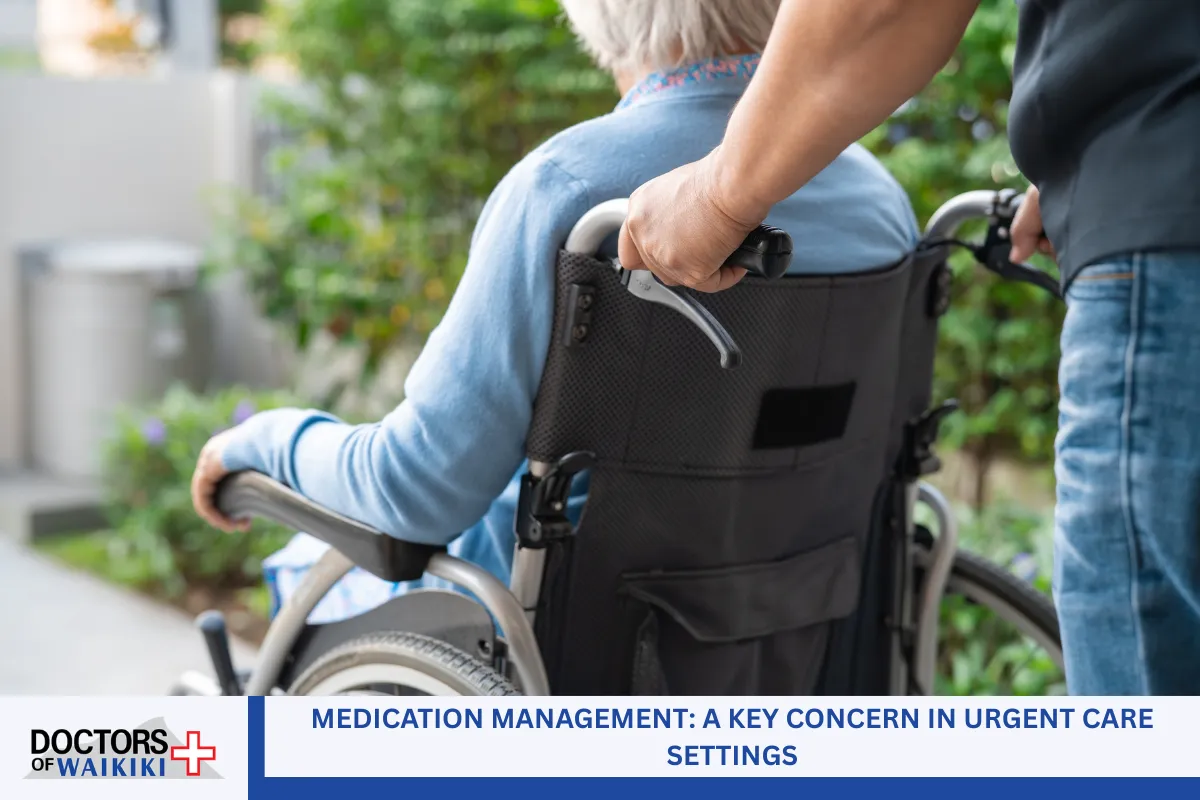
Medication safety is one of the biggest concerns for older adults seeking urgent care services. Many seniors take five or more prescriptions daily, increasing the risk of drug interactions.
It is important for seniors to communicate their complete medication list to urgent care providers to avoid potential drug interactions. Without this information, clinicians may unintentionally prescribe treatments that conflict with existing medications.
How Urgent Care Doctors Address Medication Risks
Urgent care doctors are trained to evaluate medication histories quickly. Including a complete list of current medications can help providers check for potential interactions with new treatments. This ensures safer care during each urgent care visit.
Additionally, urgent care facilities can access a patient’s medical history and prescription information, which is crucial for seniors on multiple medications. This access improves decision-making and reduces the risk of complications.
When Urgent Care Is the Right Choice—and When It Isn’t
Urgent care centers are designed for non life threatening conditions. Knowing when to use them is essential for seniors.
Urgent care clinics provide high-quality care for minor injuries or illnesses when primary care doctors are unavailable, and they often offer both in-person and virtual visits.
Appropriate Conditions for Urgent Care
- Minor cuts or burns
- Cold, flu, or mild infections
- Skin conditions
- Mild joint pain or sprains
- Eye or ear infections
Urgent care services are available during evenings, weekends, and most holidays, making them a convenient option for non-emergency medical needs.
Situations That Require Emergency Care
For severe symptoms like chest pain or uncontrollable bleeding, seniors should go directly to an emergency department instead of urgent care. If experiencing chest pain, difficulty breathing, or severe bleeding, patients should go directly to an Emergency Room.
These conditions require immediate, advanced medical intervention that urgent care clinics are not equipped to handle.
Understanding Insurance, Medicare, and Costs
Cost is an important factor for seniors seeking medical care. Many rely on Medicare or private insurance plans.
The cost of an urgent care visit is generally the same as a routine doctor’s appointment, but Medicare members may have a different copay for urgent care visits compared to primary care visits. In-person urgent care visits are subject to the same copay, coinsurance, or deductible as regular primary care office visits for most insurance plans.
Confirming insurance eligibility beforehand is advisable, as out-of-pocket costs can vary between facilities.
What About Virtual Care?
Costs for virtual care visits by phone or video depend on the insurance plan, with many plans offering no charge for these services. This can be a convenient option for seniors who prefer to stay home while still receiving medical advice.
The Role of Caregivers in Urgent Care Visits
Caregivers play a vital role in supporting seniors during medical visits. From remembering medications to understanding treatment plans, their presence can significantly improve outcomes.
A trusted family member or caregiver can assist in tracking medical instructions and advocating for needs during medical visits. This is particularly important when seniors are dealing with multiple prescriptions or complex health issues.
Benefits of Having Support
- Better communication with clinicians
- Accurate medication reporting
- Assistance with follow-up care
- Reduced stress during visits
What to Expect During a Typical Visit
Most urgent care visits take 30–60 minutes, with longer wait times during busy periods. Seniors can expect a streamlined process designed for efficiency.
Steps in an Urgent Care Visit
- Walk in or check availability online
- Provide medical history and medication list
- Receive evaluation from an urgent care doctor
- Undergo basic diagnostic tests if needed
- Receive treatment and discharge instructions
While urgent care centers are efficient, they are not a replacement for long-term primary care. Instead, they complement ongoing healthcare by addressing immediate concerns.
Read UTIs and Vaginal Infections: Why a Honolulu Urgent Care Center is Your Best Option
Limitations Seniors Should Be Aware Of

Although urgent care centers are convenient, they have limitations.
Urgent care facilities typically do not prescribe or refill antidepressants, anti-anxiety medications, sleep aids, or long-term controlled substances. Seniors relying on these medications should coordinate with their primary care physician.
Additional Limitations
- Limited access to specialized equipment
- No long-term treatment plans
- Not suitable for life threatening emergencies
Understanding these boundaries helps seniors make informed decisions about where to seek care.
Specialized Services for Seniors
Some urgent care clinics are expanding their offerings to better serve older adults.
Geriatric care is explicitly listed among services for older adults by some facilities. This includes tailored assessments, medication reviews, and preventive care.
Additional Services Often Available
- Basic lab testing
- X-rays for minor injuries
- Physical therapy referrals
- Wellness services
- Travel-related health consultations
These services enhance the overall healthcare experience for seniors.
Balancing Convenience and Safety in Honolulu
Living in Honolulu provides access to a wide range of healthcare services. Urgent care centers are strategically located to serve residents and visitors alike.
Their convenience makes them ideal for quick visits, especially during weekends or holidays when primary care offices may be closed.
However, safety should always come first. Seniors must ensure that their health plan, medications, and medical history are clearly communicated during each visit.
Key Takeaways for Seniors Considering Urgent Care
Choosing the right healthcare setting can make a significant difference in outcomes for older adults.
Urgent care centers offer a practical solution for non emergency conditions, especially when timely access to care is needed. However, seniors with multiple medications must take extra precautions.
Best Practices for Safer Visits
- Always bring a complete medication list
- Inform clinicians about allergies and chronic conditions
- Confirm insurance coverage before visiting
- Consider bringing a caregiver
- Know when to go to the emergency room instead
By following these steps, seniors can safely benefit from the convenience and accessibility of urgent care services.
Final Thoughts on Choosing the Right Care Option
For seniors in Honolulu, urgent care centers offer a valuable middle ground between routine primary care and emergency services. They provide quick access to treatment, flexible hours, and experienced clinicians who can handle a wide range of non emergency conditions. However, managing multiple medications requires careful communication and awareness. By understanding the benefits and limitations, seniors can make informed decisions that prioritize both convenience and safety.
Honolulu urgent care center – Doctors of Waikiki
At Doctors of Waikiki, we understand how important safe and reliable care is for seniors managing multiple medications. As a trusted urgent care center in Honolulu, Hawaii, we provide compassionate, efficient medical care tailored to your needs. Whether you need help with minor illnesses, medication concerns, or immediate treatment, our experienced team is here for you. We welcome walk ins and make it easy to access urgent care services without long delays. Call us at (808) 922-2112 or visit our clinic today. You can also fill out our contact form to connect with our providers and schedule your visit. Let us help you feel confident about your healthcare decisions.
Frequently Asked Questions
Can urgent care providers coordinate with a primary care physician after a visit?
Yes, many urgent care clinics can share visit summaries with a primary care physician upon request. This helps maintain continuity of care, especially for seniors managing chronic conditions. Patients should ask the clinic to send records or bring documentation to their next primary care appointment. Coordination ensures that treatment plans remain consistent and reduces the risk of medication conflicts. It also allows long-term providers to adjust prescriptions if needed after an urgent care visit.
Are urgent care centers equipped to handle chronic condition flare-ups?
Urgent care centers can manage mild flare-ups of chronic conditions such as asthma or minor infections. However, they are not designed for complex or severe cases requiring long-term monitoring. Seniors experiencing worsening symptoms should consult their primary care physician or specialist. Urgent care doctors can stabilize symptoms temporarily, but ongoing management should always be handled by a provider familiar with the patient’s full medical history.
Do urgent care clinics offer preventive care for seniors?
Some urgent care clinics provide limited preventive services such as vaccinations, basic screenings, and wellness checks. However, they are not a substitute for comprehensive preventive care offered by primary care providers. Seniors should still schedule regular checkups for chronic disease management and preventive health planning. Urgent care can complement these services by addressing immediate concerns and offering quick access to certain preventive measures when needed.
Is it safe for seniors to visit urgent care alone?
While many seniors can visit urgent care independently, it is often safer to have someone accompany them, especially if they take multiple medications or have mobility issues. A companion can help communicate symptoms, remember instructions, and provide support during the visit. This is particularly important if the patient is feeling unwell or overwhelmed, ensuring that all medical advice is clearly understood and followed.
How do urgent care centers handle follow-up care?
Urgent care centers typically provide instructions for follow-up care, which may include visiting a primary care physician or specialist. They may also recommend additional tests or treatments if symptoms persist. Seniors should carefully review discharge instructions and schedule any recommended follow-up appointments promptly. Proper follow-up ensures that the condition is fully resolved and helps prevent complications, especially when medications are involved.
Disclaimer: This article is for informational purposes only and does not replace professional medical advice. Always consult a licensed healthcare provider for diagnosis, treatment, or medication guidance specific to your health condition.
Read Understanding Neuropathic Pain: Treatment Options from Pain Management Clinic in Honolulu