Urgent care center services in Kalihi Kai play a crucial role in treating mild to moderate dehydration, particularly in areas where warm weather, physical activity, and high humidity are part of daily life. Dehydration can affect anyone, including children, adults, and seniors. Even minor cases can lead to discomfort, fatigue, and other health concerns if left untreated.
This article examines the development of dehydration, the symptoms to watch for, and how urgent care centers in Kalihi Kai effectively manage and treat the condition. The goal is to help you better understand dehydration, so you can respond quickly and get the right treatment when needed.
Understanding Dehydration: What It Means and Why It Happens
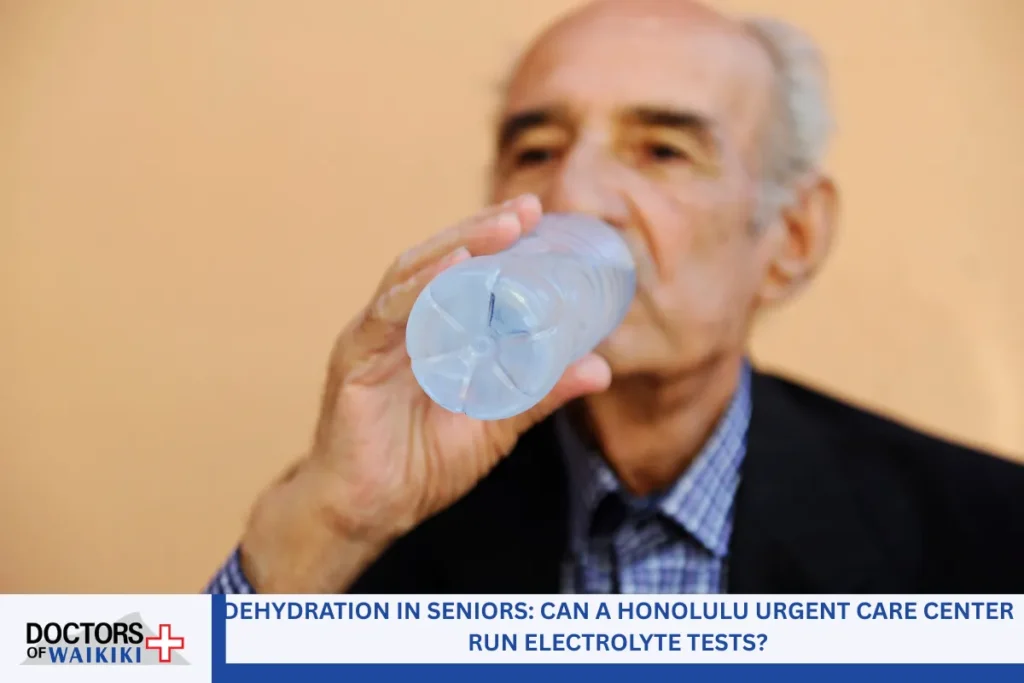
Dehydration occurs when the body loses more fluids than it takes in. This fluid loss can happen due to sweating, illness, excessive heat, or simply not drinking enough water throughout the day. When the body lacks enough water to function properly, it begins to show warning signs.
Causes of Dehydration in Kalihi Kai
In Kalihi Kai, the most common reasons for dehydration include:
- Warm climate and outdoor activities: People often spend time outside walking, swimming, or working under the sun.
- Digestive issues: Food poisoning, stomach flu, or diarrhea can lead to a rapid loss of fluids and electrolytes.
- Increased physical exertion: Even simple tasks, such as running errands or gardening, can contribute to dehydration if water isn’t replenished.
- Medical conditions: Conditions such as diabetes or fever-producing infections can increase fluid loss.
Understanding these triggers helps prevent dehydration before it becomes a more serious issue.
Recognizing the Signs: Mild vs. Moderate Dehydration

Mild Dehydration
Mild dehydration typically develops slowly. Symptoms may not always be obvious, especially if someone isn’t actively sweating or feeling thirsty.
Common signs include:
- Dry or sticky mouth
- Slight headache
- Tiredness or lack of focus
- Yellow or dark-colored urine
- Reduced frequency of urination
- Light muscle cramps
These symptoms may seem harmless at first, but they are clear indicators that the body needs more fluids.
Moderate Dehydration
As dehydration progresses, the symptoms become more noticeable and uncomfortable. At this stage, the body is under more stress, and fluid levels are dangerously low.
Moderate dehydration symptoms may include:
- Dizziness or lightheadedness
- Increased heart rate
- Cool or dry skin
- Rapid breathing
- Weakness or lack of coordination
- Little or no urination over several hours
At this point, medical attention at an urgent care center becomes essential to prevent complications.
Diagnosis at a Kalihi Kai Urgent Care Center
Urgent care providers use a combination of observation, questions, and simple diagnostic tools to assess hydration levels.
Physical Evaluation
Healthcare professionals begin by checking your appearance, behavior, and physical responses.
Some of the things they observe include:
- Skin elasticity (how fast skin returns when gently pinched)
- Moisture levels in the mouth and eyes
- Pulse rate and blood pressure
- Signs of confusion or fatigue
These hands-on checks give immediate clues about the severity of dehydration.
Medical History and Questions
To understand the root of the issue, providers often ask about:
- Your recent fluid intake
- Presence of vomiting, diarrhea, or fever
- Medications you’re taking
- Recent exposure to heat or physical activity
These questions help narrow down the cause and guide the treatment plan.
Laboratory Support
In moderate cases, an urgent care provider may perform:
- Urinalysis: To check urine concentration and hydration levels
- Blood tests: To evaluate electrolytes, kidney function, and more
These tests confirm whether the body’s fluid balance is significantly disturbed and help rule out more serious conditions.
Treatment for Mild Dehydration: Quick and Effective Solutions

Mild dehydration can often be treated without the need for advanced medical equipment. However, it still requires medical supervision to ensure a safe and effective recovery.
Oral Rehydration
In most cases, the best treatment involves giving the body fluids and electrolytes through oral hydration:
- Patients may be asked to drink water slowly and consistently
- Special oral rehydration solutions (ORS) may be used, especially if there’s vomiting or diarrhea
- Rehydration is closely monitored to check for improvement
The key is to restore the balance of salt and water in the body without overloading the stomach.
Observation and Recovery
After rehydration begins, patients are usually observed for any signs of worsening symptoms.
Providers may also:
- Suggest diet changes to include water-rich foods
- Recommend hydration habits based on lifestyle
- Share tips on avoiding similar situations in the future
Even after symptoms improve, providers often recommend continued hydration at home to facilitate a full recovery.
Managing Moderate Dehydration: More Than Just Water

Moderate dehydration can’t always be reversed with a bottle of water. In these cases, urgent care centers in Kalihi Kai use more advanced methods to rehydrate patients quickly and safely.
Intravenous (IV) Fluids
IV fluids are administered through a vein, allowing the body to absorb water, electrolytes, and nutrients directly.
This method:
- Works faster than oral hydration
- It is ideal when vomiting prevents fluid intake
- Helps stabilize patients experiencing fatigue, confusion, or weakness
A typical IV treatment lasts between 30 minutes to an hour, depending on the individual’s needs.
Continued Monitoring
Healthcare providers closely monitor:
- Heart rate and breathing
- Fluid output (such as urination)
- Skin tone and mental alertness
Once stable, patients are provided with hydration guidelines for home care and instructed on which symptoms to monitor in the days to come.
Risk Groups in Kalihi Kai Who Need Extra Care
Some individuals are more likely to develop dehydration and may need earlier intervention:
- Infants and toddlers: Their small bodies lose fluids quickly, and they may struggle to communicate their thirst effectively.
- Older adults: Natural thirst decreases with age, and certain medications can worsen dehydration.
- Outdoor laborers, including those working in construction, landscaping, or deliveries, are at high risk, especially in the heat.
- People with chronic illness: Conditions like diabetes, kidney disease, and heart failure can complicate fluid management.
For these groups, urgent care centers provide both emergency treatment and long-term guidance on staying hydrated safely.
Hydration Education and Prevention Strategies
Preventing dehydration is often easier than treating it. Urgent care centers don’t just treat symptoms—they also educate patients on how to avoid future issues.
Daily Habits That Help
- Drink water throughout the day, not just when you’re thirsty
- Eat hydrating foods like watermelon, pineapple, cucumbers, and leafy greens
- Use a reusable water bottle to track your intake and build a hydration habit
- Avoid excess caffeine or alcohol, especially before outdoor activities
Recognizing Early Warning Signs
Urgent care providers emphasize the importance of recognizing when your body starts showing early signs of dehydration—such as dry mouth, tiredness, or dark urine. Catching symptoms early makes a big difference.
Why Urgent Care Centers Are the Right Choice for Dehydration

In Kalihi Kai, urgent care centers are fully prepared to treat dehydration quickly and affordably. These clinics are equipped to handle cases that are not severe enough for the emergency room, but still require prompt medical attention.
Benefits include:
- Fast, walk-in access with minimal wait times
- On-site treatment options like IV therapy and lab work
- Affordable pricing compared to emergency rooms
- Experienced staff who understand the unique needs of both locals and visitors
Whether you’re experiencing mild or moderate dehydration, these centers offer safe and effective care without the long wait.
Dehydration Can Be Prevented and Treated
Dehydration is more than just feeling thirsty. It’s a real medical condition that can cause serious health issues if ignored. Fortunately, urgent care centers in Kalihi Kai are ready to help.
With skilled staff, effective treatments, and a strong focus on patient education, these clinics offer the support you need to stay healthy and hydrated. Acting quickly and knowing when to seek help can make all the difference in how quickly you recover and return to your daily life.
Kalihi Kai Urgent Care Center – Doctors of Waikiki

Doctors of Waikiki offers professional and immediate care at its modern walk-in clinic in Honolulu. Our clinic serves both residents and tourists, offering a comprehensive range of medical services, including urgent care, minor procedures, and general wellness checks. For anyone dealing with dehydration or other health concerns, our trained medical staff provides fast and reliable care you can count on.
We’re open 7 days a week and most of our team members speak more than one language, making your visit smoother and more comfortable. Whether you need IV treatment or help managing symptoms, we’re here to support your recovery with care that’s both accessible and efficient.
Visit or call us today at (808) 922-2112!
Frequently Asked Questions About Dehydration and Urgent Care
1. What are the early signs and symptoms of dehydration in adults and children?
Early signs of dehydration can be subtle, but they can be dangerous if ignored. For adults, common symptoms include dry mouth, fatigue, dizziness, and a dehydration headache. You might also notice reduced urine output or dark-colored urine, both signs that the body is losing water faster than it’s being replaced.
In young children, symptoms often manifest as irritability, dry lips or tongue, a lack of tears when crying, and fewer wet diapers than usual. Excessive sweating due to hot weather, vigorous exercise, or heat exhaustion can exacerbate these symptoms. If dehydration progresses, muscle cramps or heat cramps may develop.
Moderate dehydration can quickly become severe dehydration if left untreated. In either case, it’s important to restore fluids immediately. Sports drinks or an electrolyte solution may provide temporary relief. Still, persistent symptoms require a visit to an urgent care center. Delaying treatment can lead to serious complications like kidney problems or electrolyte imbalance.
2. When should someone seek medical attention for dehydration?
Dehydration isn’t always a mild issue. It’s critical to seek medical attention when early symptoms—such as dizziness, dry mouth, or fatigue—don’t improve after increasing water intake or using electrolyte replacement options, like sports drinks.
Signs that dehydration has progressed to a more serious level include:
- Rapid heartbeat
- Extreme thirst
- Confusion or disorientation
- No urination for several hours
- Muscle cramps that don’t go away
- Stomach flu or motion sickness accompanied by vomiting or diarrhea
In such situations, urgent care facilities can quickly assess your condition and provide intravenous fluids (IV fluids) if necessary. These urgent care centers are equipped to treat both moderate dehydration and early signs of a medical emergency, reducing your risk of kidney failure, urinary tract infections, or kidney stones.
If someone loses consciousness or is unable to keep fluids down, go to the nearest urgent care center or emergency room immediately, as this may indicate severe dehydration or an electrolyte imbalance.
3. How do urgent care centers treat moderate to severe dehydration?
Urgent care centers use a combination of immediate rehydration techniques and supportive care to treat moderate to severe dehydration. The process typically begins with an evaluation of signs and symptoms such as rapid pulse, dry mouth, muscle cramps, and low blood pressure. If symptoms are severe or if oral fluids cannot be tolerated due to nausea or vomiting, providers will begin IV fluid therapy.
This involves administering intravenous fluids—a sterile electrolyte solution designed to replenish lost minerals, such as sodium, potassium, and chloride. These IV fluids act more quickly than drinking fluids. They are ideal in cases involving heat exhaustion, vigorous exercise, or prolonged exposure to hot temperatures.
In some cases, laboratory work may be performed to check for complications such as kidney failure, electrolyte imbalance, or infections. The care team may also advise on lifestyle changes to prevent chronic dehydration, especially for individuals with a history of recurring urinary tract infections or kidney problems.
4. Can dehydration lead to long-term health problems?
Yes, chronic dehydration can lead to serious, long-term health consequences if left untreated. The body relies on a consistent balance of fluids to support nearly every system—especially the kidneys. Long-term fluid deficits may lead to kidney stones, frequent urinary tract infections, and even kidney failure in extreme cases.
People who regularly experience excessive sweating, live in areas with hot weather, or suffer from recurring illnesses such as stomach flu or motion sickness are at a higher risk. Ignoring moderate dehydration repeatedly can also cause persistent muscle cramps, fatigue, and concentration problems.
Without enough fluid, blood flow to vital organs decreases, affecting heart function and digestion. The body’s ability to cool itself diminishes, increasing the risk of heat exhaustion and other heat-related illnesses. If symptoms recur often, visiting an urgent care center can help rule out underlying conditions and establish a plan for improved water intake and electrolyte replacement.
5. What’s the difference between sports drinks and electrolyte solutions for dehydration?
While sports drinks and electrolyte solutions both aid in electrolyte replacement, they serve distinct purposes. Sports drinks like Gatorade or Powerade are made for athletes engaging in vigorous exercise who need to replace sodium, potassium, and sugars quickly lost through excessive sweating.
On the other hand, electrolyte solutions—such as Pedialyte or medical-grade ORS (Oral Rehydration Solution)—are formulated for medical dehydration caused by illnesses like stomach flu, vomiting, or heat exhaustion. These solutions are often lower in sugar and more precisely balanced to correct electrolyte imbalances without overstimulating the digestive system.
For young children, older adults, or individuals recovering from moderate dehydration, an urgent care facility may recommend an electrolyte solution over a sports drink, especially if symptoms include muscle cramps, dry mouth, or fatigue. Always read the label, and in more serious cases, IV fluids may be required to restore hydration levels safely.
Read more: When to Visit an Urgent Care Center in Kalihi Kai for Dehydration Symptoms