Pregnancy Spotting and Your Honolulu Urgent Care Options
A Honolulu urgent care center can be a lifeline when you notice unexpected spotting during pregnancy and your regular doctor is not available. Few things cause more panic than seeing blood when you know you are carrying a baby. Your mind races through worst-case scenarios: could it be a miscarriage, an ectopic pregnancy, or something even more serious? If you are a visitor staying in Waikiki or a resident without a next-day appointment, the uncertainty feels even heavier.
Here is the reassuring part: spotting does not always mean something is wrong. But any bleeding during pregnancy should be reported to your obstetrician or midwife immediately. This article walks you through common causes of bleeding, red-flag symptoms that demand emergency services, what an urgent care doctor can do for you, and how a walk-in clinic visit fits into your broader prenatal healthcare plan in Honolulu, HI.
Key Takeaways
- Spotting or light bleeding is common during pregnancy especially in the first trimester, but heavy bleeding, strong cramps, or dizziness always warrant same-day medical care.
- Know when to head to an urgent care center in Honolulu versus calling 911 or going to a hospital emergency room based on symptom severity and gestational age.
- Urgent care clinicians can evaluate mom and baby through exams, lab testing, and imaging, then coordinate follow up care with a primary care physician or OB-GYN.
- Both visitors and residents in Honolulu County can access convenient care on evenings, weekends, and holidays when concerning spotting appears.
What Counts as Pregnancy Spotting and When It’s Usually Less Concerning
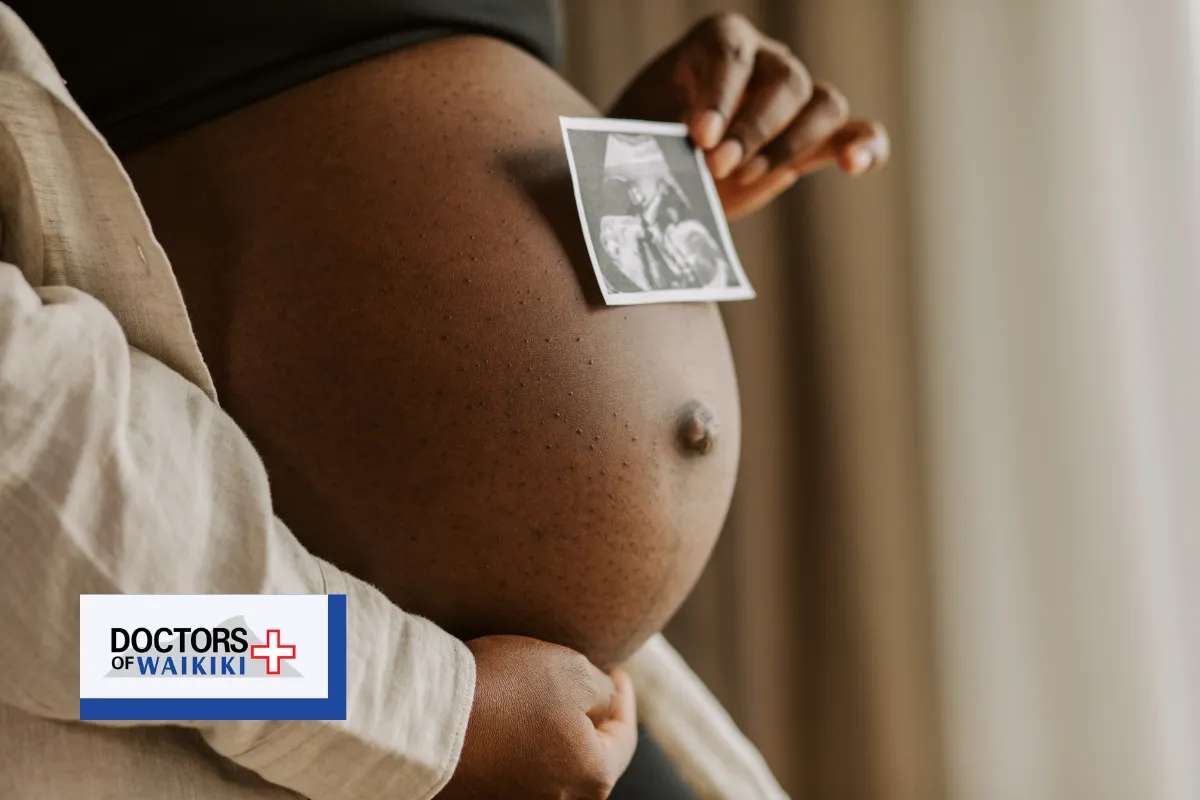
Understanding the difference between spotting and heavier bleeding helps you decide your next step. Spotting means a few drops of pink, brown, or light red blood on toilet paper or underwear. It does not soak through a pad and does not involve clots. Bleeding, on the other hand, requires a pad, may contain clots or tissue, and usually signals something that needs faster evaluation.
Spotting can occur in 20-30% of pregnancies, for many reasons. Implantation bleeding occurs 6-12 days after conception when the fertilized egg attaches to the uterine lining, producing light, short-lived staining that typically lasts a day or two. Increased blood flow to the cervix can lead to spotting after activities like intercourse or pelvic exams, and this kind of irritation usually resolves quickly on its own.
Characteristics of typically less worrying spotting include:
- Very light flow, barely filling a panty liner
- Brown or light pink color
- No strong cramps, clots, or tissue
- You otherwise feel well with no fever or dizziness
Even so, women experiencing light spotting without severe symptoms should still contact their OB-GYN. If you are in Honolulu County and cannot reach your primary care physician during office hours, a same-day visit to a nearby clinic can provide personalized care and peace of mind.
Serious Causes of Pregnancy Bleeding That Need Same-Day Care
While some spotting is harmless, other causes can be life threatening without early evaluation. Pregnancy complications may include problems such as miscarriage or ectopic pregnancy, and catching these conditions quickly can protect both you and your baby.
Here are the major causes that can present with spotting or heavier bleeding:
- Threatened miscarriage or miscarriage. Miscarriage typically starts as spotting and progresses to heavier bleeding before 20 weeks of pregnancy. Pain, cramping, and tissue passage are common as the situation worsens. Spotting may indicate a miscarriage in early pregnancy, which is why monitoring matters.
- Ectopic pregnancy. A serious condition like ectopic pregnancy involves implantation of the embryo outside the uterus, most often in a fallopian tube. Symptoms include one-sided pelvic pain, shoulder pain, and lightheadedness. This is a medical emergency.
- Molar pregnancy. An abnormal growth of placental tissue that causes irregular bleeding and unusually high hormone levels. Rare, but it requires prompt diagnosis.
- Subchorionic hematoma. Blood collects between the uterine wall and the pregnancy membrane, causing light bleeding or spotting that often resolves on its own.
- Placenta previa and abruption. Placenta previa and abruption can cause bleeding in the second or third trimester. Previa tends to produce painless but heavy bleeding, while abruption brings severe abdominal pain alongside bleeding.
- Infection. Infections of the vagina or cervix can cause spotting during pregnancy, often accompanied by unusual discharge, odor, or discomfort.
Ectopic pregnancy and significant bleeding beyond 20 weeks are emergencies that should bypass urgent care and go directly to the nearest emergency department or trigger a call to 911. An urgent care clinic can stabilize and refer patients quickly if a serious problem is suspected, but these facilities are not designed to manage major hemorrhage or surgical procedures.
Red-Flag Symptoms: When to Call 911, ER, or Urgent Care in Honolulu
Deciding where to go depends on how severe the bleeding and symptoms are, plus how far along the pregnancy is. Here is a clear breakdown.
Call 911 or go to the hospital emergency room immediately if you have:
- Heavy bleeding, which is soaking through one or more pads in an hour
- Passing large blood clots or tissue from the vagina
- Dizziness or fainting, which are signs that necessitate immediate care during pregnancy
- Severe pain, including intense cramps or worsening pain in the abdomen or pelvis
- Shoulder pain or chest pain alongside bleeding
- Fever of 100.4°F or higher, which requires urgent evaluation during pregnancy
- Heavy bleeding after trauma to the abdomen
- Pregnancy over 20 weeks with strong contractions and pain
- Continuous leakage of fluid, which should be reported during pregnancy
It is advisable to go directly to an emergency department for heavy bleeding or severe pain during pregnancy. Seek emergency care if spotting turns into heavy bleeding or is accompanied by severe symptoms. Contact a doctor if spotting is accompanied by pain, even if it seems mild at first.
Go to an urgent care center in Honolulu the same day if you have:
- Steady light-to-moderate spotting
- Mild cramps without severe or one-sided pain
- New spotting with a positive pregnancy test and no other alarming symptoms
- Concerning symptoms when your OB-GYN cannot see you that day
For visitors staying in Waikiki or other parts of Honolulu during late-night hours, weekends, or holidays like New Year’s Day, a walk in clinic may be the most realistic option when your own prenatal provider is thousands of miles away. Most urgent care clinics are open seven days a week, making access easier. If you are ever unsure, call your prenatal provider or the urgent care facility by phone for guidance before heading out. Seek medical attention for heavy bleeding during pregnancy without delay.
Read Emergency Contraception: Can a Honolulu Urgent Care Center Help?
What a Honolulu Urgent Care Doctor Can Do for Pregnancy Spotting
Urgent care services bridge the gap between a routine primary care appointment and the emergency room for non emergency conditions involving pregnancy. An urgent care visit can provide fast answers when your regular doctor is unavailable, without the longer wait times and higher cost of an ER.
Here is what a typical evaluation looks like:
- History and symptom review. The team will ask about your gestational age, prior pregnancies, recent intercourse or exams, medications, and the character of your bleeding.
- Vital signs and physical exam. Blood pressure, pulse, temperature, and a focused abdominal exam help the physicians assess your stability. A pelvic exam may be performed when appropriate and safe.
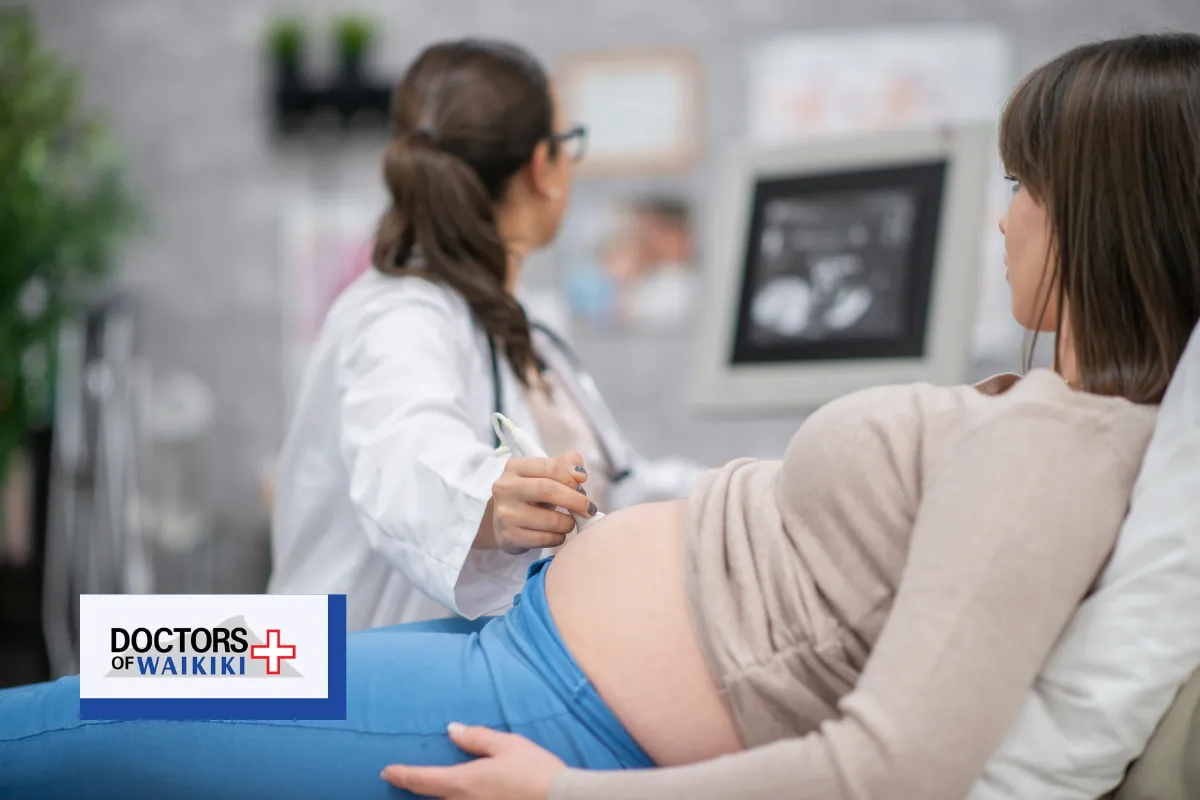
- Diagnostic testing. Patients can receive lab testing and imaging on-site at many facilities. Common tests include urine pregnancy confirmation, blood work such as quantitative hCG and a complete blood count, Rh type testing, and urinalysis. Not all urgent care centers have ultrasound or obstetric specialists, but many in Honolulu offer point-of-care imaging that can help confirm fetal viability and rule out ectopic pregnancy.
- Clinical decision-making. Based on results, clinicians may treat minor issues, prescribe medications that can be picked up at a nearby pharmacy, or arrange transfer to a hospital if advanced treatment or surgery is needed.
- Follow-up instructions. You will receive guidance on home monitoring, warning signs that require escalation, and communication with your OB-GYN or midwife to maintain continuity of medical care.
Urgent care clinics provide care for non-emergency conditions, but they may not be equipped for continuous fetal monitoring or surgical interventions. Walk-in visits are welcome at urgent care clinics, and the experienced staff can also handle other concerns like minor injuries, illnesses, ear infections, and broken bones alongside pregnancy-related issues. Urgent care is suitable for minor injuries and illnesses in addition to pregnancy spotting evaluation.
Regarding cost, urgent care visits in Honolulu range from $100 to $200, which is similar to routine doctor’s appointments. Costs may increase with additional tests or procedures. Most insurance plans, including medicare, cover urgent care visits for non-emergency issues. Self-pay options may be available for uninsured patients, and many facilities offer transparent pricing so you know what to expect before you pay.
How to Prepare if You Need to Visit an Urgent Care Center for Spotting
A bit of preparation can make your walk-in visit smoother and help clinicians act quickly during a stressful bleeding episode. Even a few minutes of gathering information before you leave home or your hotel can save time.
Information to bring or know:
- Date of your last menstrual period and estimated due date
- How long the spotting has lasted
- How many pads or liners you have used and whether they were soaked
- Color of the blood (pink, red, brown) and whether you noticed clots or tissue
- Any associated symptoms such as pain, fever, nausea, or dizziness
- Your updated medication list and prenatal vitamins
- Allergy details
- Your insurance card and identification
- Any prior ultrasound or lab reports if easily accessible
Logistics for Honolulu:
- Traffic near Waikiki and Ala Moana can be heavy, especially on weekends. Plan extra travel time.
- If you are staying at a hotel, ask the front desk for the closest conveniently located clinic.
- A partner or support person can help with driving and parking so you can focus on monitoring symptoms.
- No appointment needed at most walk-in facilities, though calling ahead can help with wait times.
Avoid inserting tampons or douches before being evaluated. Use a pad instead so the clinician can estimate blood loss accurately. Write down a few questions in advance so you remember to address additional questions and your biggest concerns during the visit.
Follow-Up After Urgent Care: Next Steps for You and Your Baby
An urgent care visit is often the first step. Ongoing pregnancy care should continue with your OB-GYN or midwife once the immediate concern is addressed, ensuring you receive quality care throughout your pregnancy.
Scheduling follow-up appointments matters. Your prenatal provider may want to:
- Repeat blood tests to track hCG levels and confirm the pregnancy is progressing
- Order a follow-up ultrasound to verify fetal heartbeat and growth
- Evaluate further for infections or conditions like gestational trophoblastic disease if suspected
- Adjust your treatment plan based on the diagnosis from your urgent care visit
Ask for a copy or summary of your urgent care records, including lab results and imaging reports. Share these with your prenatal provider at your next appointment so they have accurate diagnostics and a complete picture of what happened.
General self-care after spotting:
- Rest and stay hydrated
- Avoid heavy lifting or intense exercise until cleared by your doctor
- Follow any activity restrictions the clinician recommends
- Monitor for changes and return to care if bleeding worsens or new symptoms appear
Bleeding during pregnancy is emotionally difficult. The community in Honolulu offers resources including counseling, local support groups, and online communities for those experiencing complications or loss. Do not hesitate to ask your healthcare team about mental health support.
Most patients who experience light spotting still go on to have healthy pregnancies. High quality care early on, combined with diligent follow up care, gives you and your baby the best possible outcome.
Honolulu Urgent Care Center – Doctors of Waikiki
At Doctors of Waikiki, we understand how frightening pregnancy spotting can be, and we are here to provide compassionate, same-day care when you need it most. As a trusted urgent care center serving Honolulu residents and visitors year-round, we offer walk ins and convenient care without the long waits of an emergency room.
Our board certified physicians and experienced staff can perform on-site lab testing, imaging, and thorough evaluations to help determine the cause of your bleeding and coordinate next steps with your prenatal provider. We treat patients of all ages for a wide range of non emergency conditions, from pregnancy concerns to common illnesses and injuries, providing the personalized care and accurate diagnostics our community deserves.
Whether you are a Hawaii resident or a traveler needing a reliable doctor during your stay, we are conveniently located in Honolulu and ready to help. Call us at (808) 922-2112, fill out our contact form on our site, or simply walk in. We accept most insurance plans and offer convenience and quality care you can count on.
Frequently Asked Questions
Can light spotting after a pelvic exam or ultrasound be normal during pregnancy?
Mild spotting after a pelvic exam, Pap test, vaginal ultrasound, or intercourse is common because the cervix becomes more sensitive and has increased blood supply during pregnancy. A few drops of pink or brown blood on toilet paper or a liner over one to two days is usually not dangerous when there is no pain, fever, or heavy flow. Monitor the amount and color carefully, and avoid inserting anything into the vagina until it stops. If the spotting becomes heavier, turns bright red, or you have a history of miscarriage or placenta previa, seek prompt in-person evaluation at a clinic or hospital.
Is brown spotting in early pregnancy less serious than bright red bleeding?
Brown spotting often represents older blood that has taken longer to exit the body, which can be less alarming than fresh, bright red bleeding. However, color alone does not rule out problems. The amount of blood, whether pain is present, and how quickly symptoms change all factor into the level of concern. Ongoing brown spotting lasting several days, especially with cramping or a history of pregnancy loss, deserves a call to your prenatal provider or a visit to an urgent care facility. If brown discharge suddenly becomes heavy, turns bright red, or includes clots or tissue, seek immediate care.
Should I avoid exercise or sex after having pregnancy spotting?
Many clinicians recommend short-term pelvic rest, which means no intercourse or vaginal insertion, along with avoiding high-impact exercise until the cause of spotting is identified. Gentle walking and light daily activities are usually safe if you feel well, but strenuous workouts, heavy lifting, and contact sports should be paused. Follow the specific restrictions given by your urgent care doctor or OB-GYN, since recommendations vary depending on your gestational age and diagnosis. Resume normal intimacy and exercise only after bleeding fully stops and a clinician confirms it is safe to do so.
Can stress or travel to Honolulu cause spotting in early pregnancy?
Stress itself does not typically cause pregnancy bleeding directly, but extreme fatigue, dehydration, and disrupted sleep during travel may worsen minor issues or make you more aware of symptoms. Long flights, changes in routine, and heavier physical activity while sightseeing can lead some pregnant visitors to notice light spotting or mild cramping. Stay hydrated on flights, walk periodically to support circulation, avoid overexertion in warm weather, and listen to your body’s signals to rest. Most travelers do well, but anyone who experiences spotting away from home in Honolulu should seek prompt evaluation at a local clinic or hospital if symptoms escalate.
How does urgent care work with my OB-GYN or midwife after a visit for bleeding?
Urgent care providers typically document exam findings, test results, and any treatment in a visit summary that can be shared with your regular prenatal team. This information helps your OB-GYN or midwife plan follow-up tests, adjust medications if needed, and decide whether additional imaging or specialist referrals are necessary. Bring copies of your discharge papers and any lab or ultrasound reports to your next prenatal appointment. Urgent care is designed to handle the immediate problem, while long-term pregnancy management should remain with your primary prenatal provider for continuity, personalized care, and the best outcomes for you and your baby.
Disclaimer: This article provides general education about pregnancy spotting in Honolulu and is not a substitute for personalized medical advice. If you experience worsening symptoms or heavy bleeding, seek in-person evaluation or emergency care immediately. Always consult your own healthcare provider for guidance specific to your situation.
Read Is Honolulu Urgent Care Center Appropriate for Seniors With Multiple Medications?