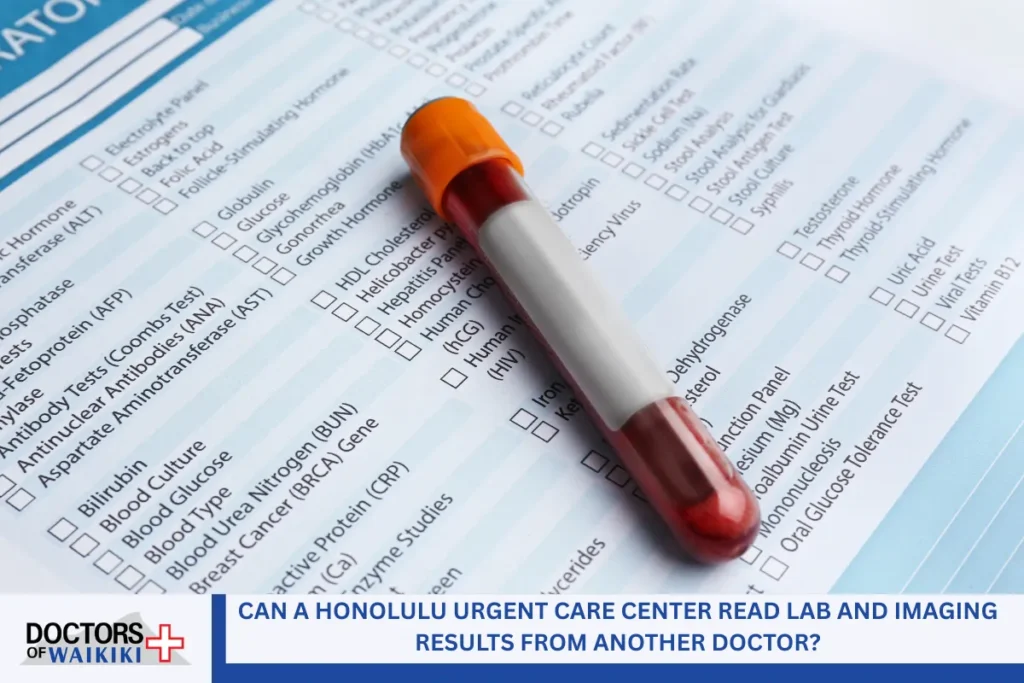
A Honolulu urgent care center can often save you time, money, and an extra needle stick by reviewing lab work and imaging studies another doctor already ordered. But many patients are unsure whether the results they have in hand will actually be useful at a new clinic, or whether they will end up paying for the same tests all over again. Urgent care visits are generally intended to address immediate medical concerns, and knowing what to bring with you can shape the entire experience. The short answer is yes, most urgent care providers in Honolulu are equipped to read and act on outside results, but the details matter. This guide breaks down exactly how outside test results are handled, when repeat testing happens, what to bring, and how privacy rules apply across Hawaii so you can walk in prepared and leave with a clear plan.
Key Takeaways
- Urgent care teams in Honolulu can usually review outside lab and imaging results if you bring or electronically share them in a usable format such as printed reports, digital files, or patient portal access.
- Clinicians may still order repeat tests if results are old, incomplete, or do not match your current symptoms, because patient safety always comes first.
- Bring printed or digital copies of your results, a medication list, and your doctor’s contact details for smoother, personalized care during your visit.
- Life threatening symptoms such as chest pain with difficulty breathing, stroke signs, or uncontrolled bleeding still require 911 or an emergency room, not a walk in clinic or urgent care center.
- An urgent care center can access outside lab results using a statewide health exchange or direct digital transfer when available.
How a Honolulu Urgent Care Center Uses Results from Another Doctor
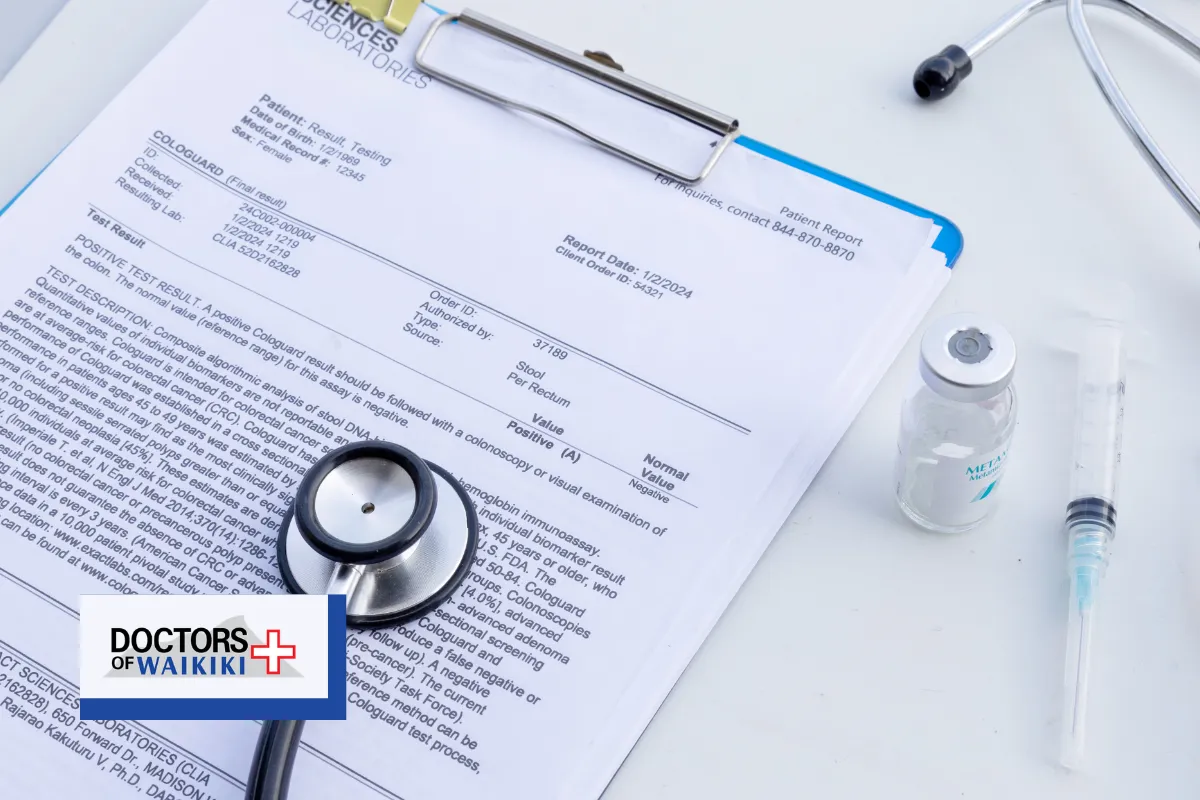
In many cases, a Honolulu urgent care facility can read outside labs, x rays, CT scans, and MRIs when they are provided in a usable format. Licensed, board certified providers such as physicians, nurse practitioners, and physician assistants are trained to interpret common diagnostic tests and integrate them into urgent evaluations. Patients can receive care without an appointment at most locations, and having prior results on hand supports faster diagnosis and treatment.
Test reports are often more valuable than raw imaging files alone. A formal radiology report with findings and an impression from the radiologist gives a clinician exactly what they need to understand a prior scan. Some urgent care centers decline to interpret outside imaging without that radiologist’s report, so bringing both the report and any CDs or digital files is ideal. For imaging, local urgent cares use digital systems to retrieve images from other sites when those systems are compatible.
Many large hospital networks in Honolulu County use secure electronic health records that sometimes allow clinicians to view results directly with your consent. Hawaii’s statewide health information exchange connects participating providers, making it possible to pull up lab values, discharge summaries, and other clinical data at the point of care. This kind of connectivity supports convenient care and accurate diagnostics without duplicating work already done. Still, outside results do not replace a physical exam or a thorough history. They supplement the visit and help the provider make better-informed decisions about your treatment plan.
When Can an Urgent Care Doctor Safely Rely on Outside Test Results?

Whether an urgent care doctor can rely on another provider’s tests depends on three factors: recency, quality, and how closely the results match today’s complaint. Providers can review test results to determine if immediate follow-up is necessary, and an urgent care provider interprets lab results in the context of current symptoms rather than in isolation.
Here are common situations where outside results are typically usable:
- Lab work drawn within the last seven to fourteen days for acute issues like infections or electrolyte problems.
- Same-day x rays or imaging performed at another clinic, accompanied by a radiologist’s written report.
- Recent ECGs or other diagnostic tracings brought on paper or as a digital file.
- Stable follow-up issues like a mild anemia recheck, a healing sprain, or monitoring after a flu episode.
But the type of condition changes everything. A patient seen in primary care on Monday with a normal chest x ray who returns on Wednesday to a walk-in location with worse breathing may need repeat imaging to rule out developing pneumonia. Rapidly changing symptoms can make even two-day-old results unreliable for a new diagnosis. Clinicians must follow current medical standards and Hawaii safety rules. A physician may prioritize patient safety over cost by repeating key tests when clinical circumstances have shifted since the original results were obtained. The goal every week is to confirm what is happening right now, not just what happened during the last visit.
Situations Where Repeat Lab or Imaging Tests May Be Needed
Re-testing is not about ignoring another doctor’s findings. It is a safety step taken when there is a legitimate risk of missing something serious, and urgent care centers can perform on-site lab tests and order fresh imaging when the clinical picture demands it. Some urgent care clinics have in-house imaging services that make this process fast and efficient.
Common reasons a provider may repeat procedures include:
- Results older than thirty to ninety days, depending on the condition being evaluated.
- Scans performed on a different body area than today’s complaint, which happen more often than patients might expect.
- Incomplete reports that lack an official interpretation or are missing key markers needed for today’s decision.
- New clinical changes such as sudden fever, worsening pain, a rapidly spreading rash, or neurological symptoms that were not present when the original tests were ordered.
Once an urgent care center accepts you as a patient and begins treatment, that team is legally and clinically responsible for its own medical decisions. This means the provider may need up-to-date information to confirm a suspected condition before prescribing medication or recommending next steps. If additional testing is recommended, the staff will explain why, discuss the benefits and risks, and consider cost and insurance when appropriate. Many clinics also practice transparent pricing, so you can ask what you will pay before any blood draw or scan begins. Urgent care clinics offer lab testing and vaccinations on site, which streamlines the process when new work is required.
Read Where to Get a TB Skin Test or IGRA Blood Test at a Honolulu Urgent Care Center
How to Bring Outside Lab and Imaging Results to Honolulu Urgent Care
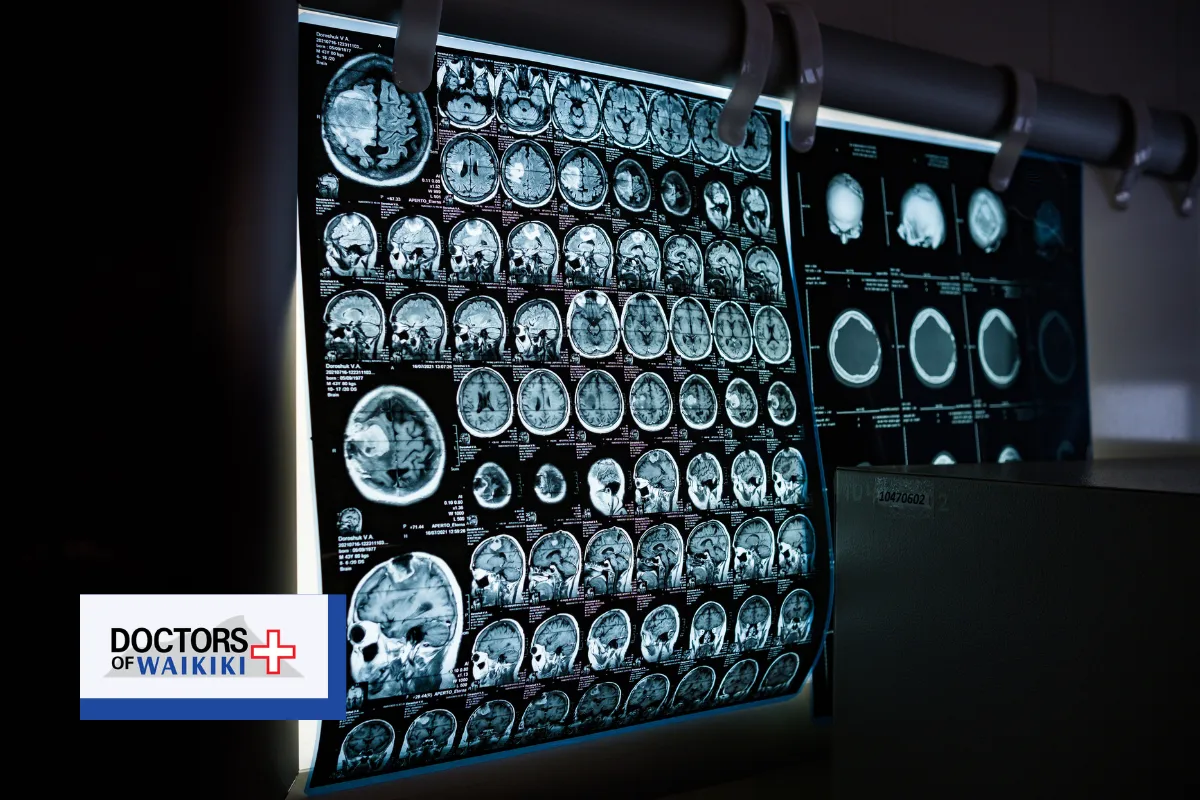
Preparation before you arrive can make your visit faster and more effective. Because urgent care is available without an appointment, having everything organized ahead of time means less waiting and more time focused on your health.
Here is what to bring:
- Printed lab reports showing values, reference ranges, and the date of collection.
- Radiology reports from any imaging study, including the radiologist’s impression.
- Imaging CDs, USB drives, or digital files if you have them.
- A current medication list with dosages and prescriptions you take regularly.
- An allergy list covering drug and food allergies, as well as any history of allergic reactions.
- Your photo ID and insurance card, including medicare or travel insurance cards if applicable.
Patient portals can be used to access lab or imaging reports for urgent care visits. If you can pull up results on your smartphone, many providers are able to read directly from the screen or accept a forwarded PDF. Patients may expedite results by bringing physical copies of previous tests, and this remains one of the most reliable methods to ensure nothing is lost in translation between systems.
If you are in Honolulu, HI and have time before your visit, call the original doctor’s office or hospital and ask them to fax or securely transmit records to the facility you plan to visit. Some organizations require a signed release-of-information form under federal and state privacy rules. The experienced staff at the front desk can help you complete that paperwork on arrival if you have not already done so.
Privacy, Consent, and Medical Records Sharing in Honolulu, Hawaii
Federal HIPAA rules and Hawaii privacy laws both protect how test results are shared between clinics, hospitals, and walk-in locations across the community. Under HIPAA, sharing protected health information for treatment purposes is generally permitted without a separate written authorization, but most healthcare providers still ask for your verbal or written consent before pulling records from another facility. Urgent care centers access outside lab results by having the patient sign a release of information form, which documents exactly what information is being requested and from whom.
Information typically moves between providers through secure fax, encrypted electronic health record connections, and patient portals where you can download and share documents yourself. An urgent care center can access outside lab results using a statewide health exchange or direct digital transfer when both sites participate in the same network. Hawaii’s health information exchange connects many hospitals, labs, and clinics, though smaller independent practices may still rely on fax or physical media.
Certain sensitive results carry additional protections. Records related to HIV status, substance use treatment, and some behavioral health notes may not transfer automatically and often require explicit, separate authorization. If you have concerns about what information is being shared, Honolulu urgent care clinics are required to safeguard records, limit who can view them, and provide you with details on how your results are used and stored. Hawaii law also gives patients the right to obtain copies of their medical records, typically within ten working days of a written request.
Choosing Urgent Care vs. Emergency Room When You Already Have Test Results
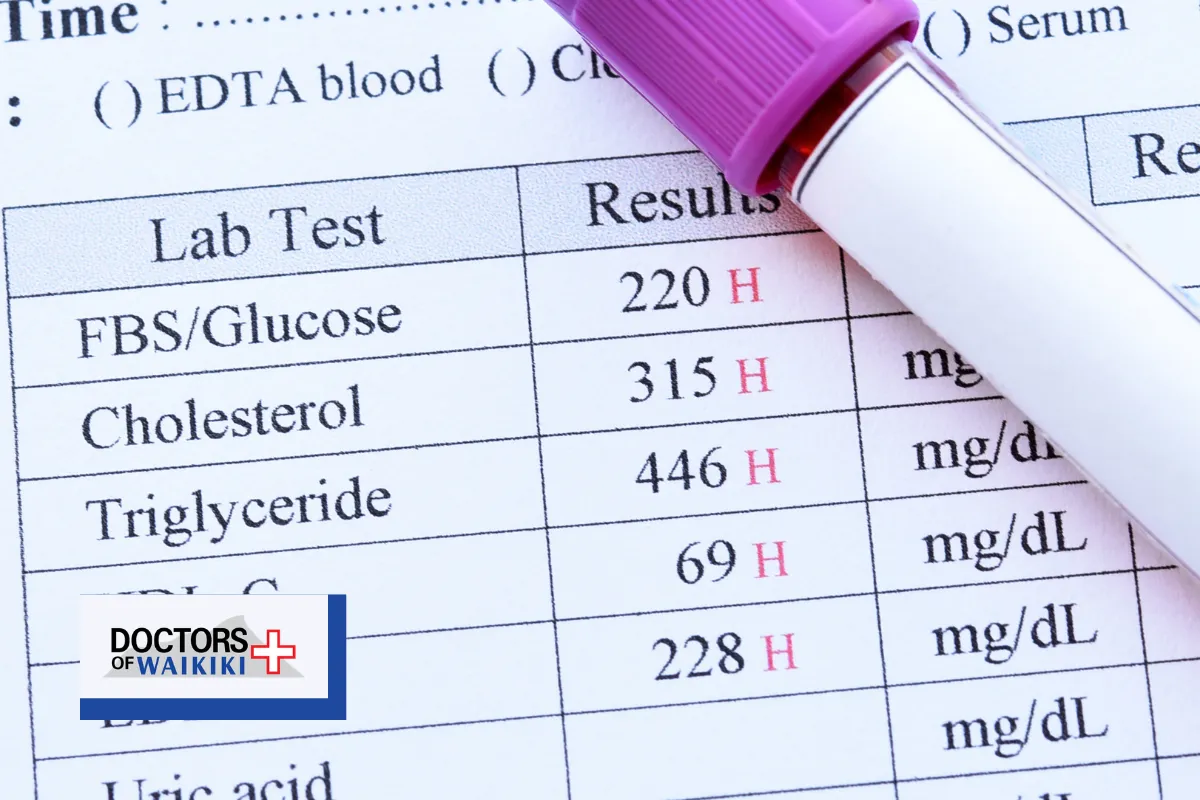
Having test results in hand does not automatically determine where you should go for care. The deciding factor is always the severity of your symptoms, not the convenience of bringing paperwork. Emergency rooms handle life-threatening medical emergencies, and urgent care clinics are not equipped like emergency rooms for critical interventions.
Signs that require 911 or an emergency department in Honolulu include:
- Chest pain accompanied by difficulty breathing or radiating arm pain.
- Sudden weakness on one side of the body, slurred speech, or other signs of stroke.
- Severe trauma, uncontrolled bleeding, or major burns.
- Sudden confusion, loss of consciousness, or seizures.
Non life threatening illnesses and non emergency conditions can often be safely evaluated at an urgent care location. This includes minor fractures, simple lacerations, minor cuts, ear and eye infections, sore throat, urinary symptoms, mild asthma flares, flu symptoms, and most rashes. Urgent care services include treatment for minor injuries and illnesses that need attention the same day but do not pose an immediate threat to life. Emergency rooms typically have longer wait times than urgent care for these types of concerns.
Having normal outside tests does not always mean you can skip emergency services if your symptoms are severe or rapidly worsening today. If you are unsure, call a local clinic or nurse advice line. Obvious life threatening emergencies should always go directly to the ER without delay.
How Outside Results Help Personalize Your Care Plan
Outside results connect directly to more personalized care, especially for patients managing chronic conditions, recovering from recent injuries, or navigating complex medical histories. When a provider can see what has already been tested, the visit shifts from starting at zero to building on existing information with high quality care.
Clinicians use prior imaging to track changes over time. For example, comparing a new ankle x ray to a film from a previous year after an earlier injury tells the team whether healing is progressing or whether something new has developed. Recent labs guide decisions on medication, such as kidney function tests that affect antibiotic choices or previous pregnancy tests that influence imaging decisions and prescriptions.
Information from primary care and family medicine visits, including problem lists, vaccine records, and previous diagnoses, helps avoid medication interactions and unnecessary repeat work-ups. This kind of context turns a single visit into follow up care that fits your whole health picture rather than treating one symptom in a vacuum.
Urgent care clinics can send lab results to primary care providers after your visit, keeping your main doctor in the loop when you authorize the transfer. This collaborative approach supports continuity even after today’s minor emergencies are addressed, and it gives your physician the context needed for any ongoing treatment plan.
Honolulu Urgent Care Center – Doctors of Waikiki
At Doctors of Waikiki, we provide urgent care services in the heart of Honolulu, Hawaii, and our doors are open daily, including weekends, holidays such as New Year’s Day, and every Sunday, with extended hours designed to fit your schedule. Walk ins are always welcome, and no appointment needed. We are conveniently located in Waikiki, serving Honolulu residents and visitors from across Honolulu County and beyond.
Our board certified providers can review outside lab and imaging results whenever possible. When new testing is required, we offer on-site digital x ray and lab services right here in our clinic. We coordinate with your primary care physician to make sure nothing falls through the cracks.
Call us at (808) 922-2112, visit our convenient Waikiki location, or fill out our online contact form to be seen quickly for minor emergencies, illnesses, and routine health concerns. Our team is committed to delivering personalized care with the convenience and efficiency you deserve.
Frequently Asked Questions
Can urgent care providers in Honolulu re-interpret my old X-ray or MRI?
Urgent care clinicians can review prior radiology reports and images to gain context about your condition, but they typically rely on the original radiologist’s formal reading rather than generating a brand-new interpretation. The radiologist’s impression section of the report carries the most clinical weight because it reflects the expertise of a specialist trained specifically in diagnostic imaging. If your current symptoms differ significantly from when the original study was performed, the provider may recommend repeat imaging rather than basing treatment on outdated findings. Bringing both the written report and any image files gives the clinician the most complete picture. This approach balances thoroughness with the convenience of not automatically repeating every scan.
If I only have paper lab results, is that enough for urgent care to treat me?
Printed lab results are usually sufficient for a provider to review and factor into your care plan. The staff will verify the patient name, date of collection, and ordering provider listed on the document to confirm the results belong to you and are recent enough to be relevant. Legible printouts from a hospital or lab portal work well, and even a screenshot from a patient portal on your phone can help. However, if results are outdated by several weeks or are missing key markers the provider needs for today’s concern, additional testing may still be ordered. Paper records remain one of the most straightforward ways to share information across different healthcare systems.
Will I be charged again if urgent care repeats tests another doctor just ordered?
Billing depends on your insurance plan, whether you are using medicare or a private carrier, and the specific test being ordered. Most clinics bill the repeat test as a new order, which means your copay, deductible, or self-pay rate applies again. Before any blood draw or imaging scan begins, ask the front desk for a cost estimate so there are no surprises. Many facilities practice transparent pricing and can tell you what to expect. Safety sometimes requires repeating essential labs or imaging regardless of cost, but a good provider will explain the clinical reasoning and work with you to balance medical necessity with financial concerns.
Can a Honolulu urgent care clinic send my new test results back to my main doctor?
Yes. With your written or verbal consent, urgent care clinics routinely send visit summaries, lab reports, and imaging results back to your primary care or specialist office. This is typically done through secure fax, encrypted electronic messages, or through shared health information networks within Hawaii. Most clinics aim to transmit these records within a few business days of your visit, though some electronic systems allow near-real-time sharing. Authorizing this transfer means your main doctor can adjust ongoing treatment plans, schedule appropriate follow up care, and maintain a complete medical record. If your primary care provider is on the mainland, the same process applies, though fax or mailed records may be used instead of electronic exchange.
What if my prior tests were done on the mainland – will they still be useful in Honolulu?
Mainland test results are often very helpful as long as they are legible, recent, and relevant to your current symptoms. Lab reference ranges and imaging protocols used on the mainland follow the same national standards used in Hawaii, so interpretation is straightforward in most cases. Bringing digital copies on a phone, USB drive, or emailed PDF is the most reliable option. Occasional issues can happen with incompatible CD formats from older imaging centers or reports written in a language other than English, which may require additional steps. If you are traveling with travel insurance, keep your policy details handy alongside your medical records so the clinic can assist with any documentation needed for a claim.
Disclaimer: This article provides general health information and does not replace professional medical advice, diagnosis, or treatment. Laws and clinical standards in Honolulu, HI may change. Always seek in-person evaluation from a licensed clinician for personal health decisions, and call 911 immediately for any life threatening emergency.
Read Fell Down? How a Honolulu Urgent Care Center Treats Falls and Provides Crutches